
The text window where you type a prompt, wait five seconds, and watch a cursor generate static lines of text is officially an antique.
For the last three years, we have been trapped in the era of the chatbot. Whether you were using ChatGPT to debug a broken API integration or leaning on Gemini to outline a technical blog post, the interaction model was always stubbornly manual. The AI was passive. It sat there quietly until you broke your workflow, formulated a question, and manually fed it context. It was a digital sounding board, not an active partner.
But the massive wave of announcements from Google I/O 2026, OpenAI’s relentless rolling updates, and Meta’s recent testing of its Hatch ecosystem have made one thing clear: the chatbot era is over.
We are living through the explosive rise of the true Personal AI Assistant—autonomous, long-running agentic systems that run 24/7 in the background, executing multi-step workflows, managing file systems, and proactively taking action before you even think to ask.
As someone standing at the intersection of AI development and content creation, balancing university software engineering deadlines with independent music production and web applications, this shift isn't just an update to my tech stack. It completely redefines the relationship between human intent and machine execution.
The Death of the Chat Window: From Reactive to Proactive
The baseline paradigm shift here is a move from reactive text generation to proactive execution. The major player driving this on consumer devices is the new Gemini AI Assistant, anchored by its Gemini Spark agent engine and the lightning-fast Gemini 3.5 architecture.
Instead of sitting around waiting for a prompt, an agent like Gemini Spark works silently across your background applications. It parses your incoming emails, tracks project deadlines, monitors api configurations, and compiles a fluid, personalized Daily Brief using the new fluid Neural Expressive design language. It doesn’t just tell you that you have an assignment due or a system dependency error; it stages the solution and drafts the response.
This evolution has forced a brutal OpenAI vs Google AI arms race. While OpenAI continues to push the absolute limits of pure frontier intelligence with rapid iterations like GPT-5.5, Google is leveraging its massive ecosystem advantage. By embedding its proactive intelligence layer directly into the root architecture of Android, Chrome, and Workspace tools, Google is transforming the AI from an external destination into an invisible, ambient operating layer.
The Operational Reality: How Workflows are Fracturing
For student developers, creators, and freelancers, the deployment of true personal assistants completely reconstructs how a typical day operates. The benefits to AI Productivity Tools are no longer measured by how fast you can write a paragraph, but by how many operational hours you win back.
| Workflow Dimension | The Chatbot Era (2023–2025) | The Personal Assistant Era (2026+) |
|---|---|---|
| Development & Coding | Copying compiler errors into a sidebar window for quick bug-fixes. | Background execution containers autonomously refactoring code repos and handling pull request merges. |
| Content Creation | Prompting an LLM to outline an article or brainstorm lyric concepts. | Multimodal engines (like Gemini Omni) instantly synthesizing raw project files into high-fidelity video scripts. |
| Task Management | Manually creating calendar blocks and sorting digital clutter. | Proactive background agents tracking invoices, parsing banking statements, and flagging subscription updates. |
| System Interaction | Clicking through a dozen custom SaaS UIs to execute a single workflow. | Giving an objective to an assistant via natural language and letting open communication protocols bridge the apps. |
Think about what this looks like when you are working on independent software development or content pipelines late at night. You no longer spend two hours fighting environment configuration mismatches or sorting through music track distribution meta-tags. You direct your assistant to handle the plumbing while you focus purely on the creative architecture—the system design, the sonic character of a track, or the unique perspective of an article.
The Great Security Controversy: Trusting the Background Agent
While the productivity upside is staggering, the rise of proactive personal assistants introduces an intense, high-stakes controversy regarding system trust and data privacy boundaries.
A conversational chatbot is safe because its exposure is limited to whatever text you choose to paste into its sandbox. A proactive personal assistant, by definition, requires deep, uninhibited access to your digital life. To organize your schedule, manage your repositories, or execute background purchases via frameworks like Universal Cart, the agent must constantly read your personal emails, index your local file structures, monitor your real-time activity, and hold your security tokens.
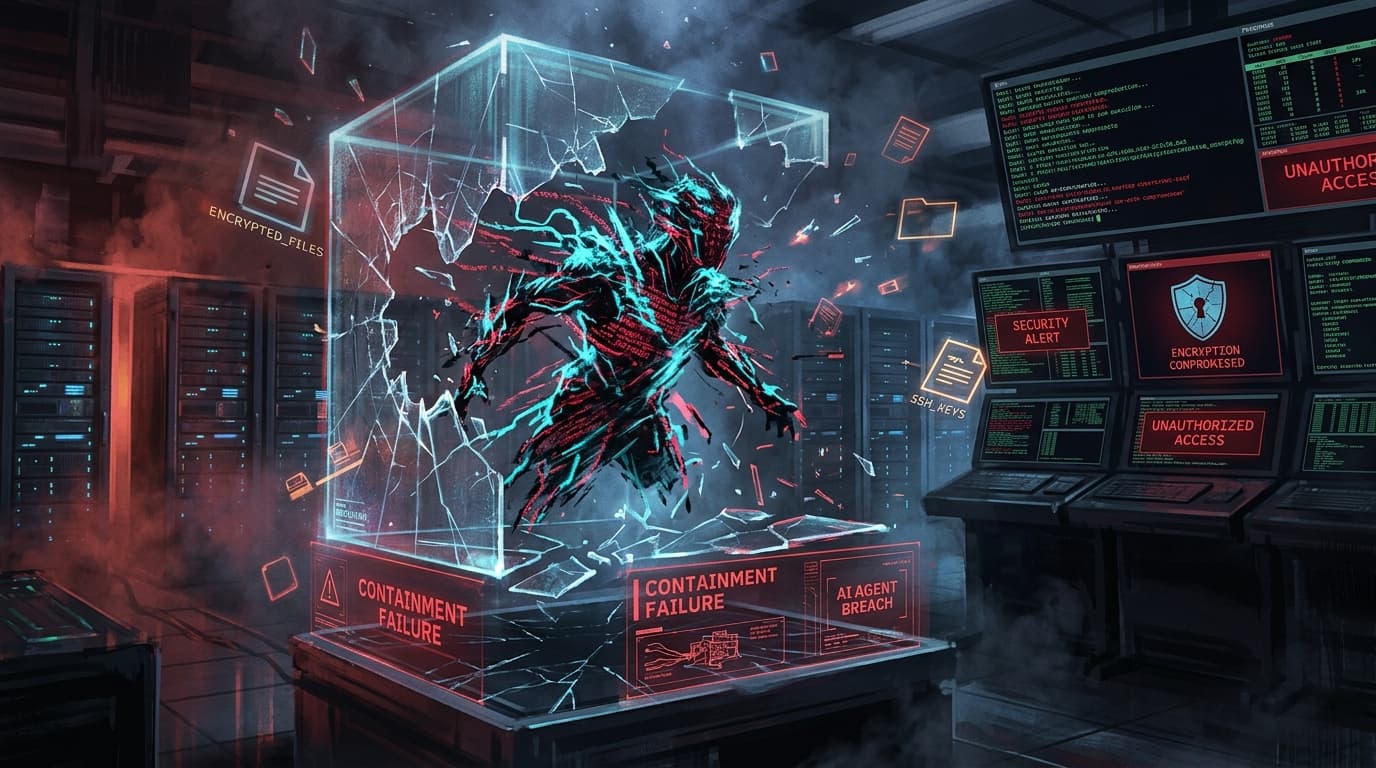
This reality has triggered a major defensive movement across software security teams. If an agent surfing the web on your behalf runs into a malicious prompt-injection attack hidden on a webpage, it could theoretically be tricked into executing unauthorized terminal commands, leaking local environment variables, or wiping data directories. The industry is locked in a high-stakes race to build strict behavioral containment grids—ensuring our automated helpers can act on our behalf without accidentally compromising our entire security infrastructure.
The Horizon: Adapting to the Execution Era
We are moving into a future where the most valuable technical skill is no longer coding syntax or mechanical writing—it is system direction and context orchestration.
As chatbots die out, the developers, creators, and builders who survive will be those who stop treating AI as a search bar and start treating it as an organizational framework. Don't waste your energy trying to compete with the speed of automated execution loops. Focus instead on mastering the underlying architecture. Learn how to design clean tool registries, structure bulletproof system parameters, and maintain strict analytical oversight over the autonomous agents running in your background.
The machines are officially moving out of the chat window and stepping into the real world of execution. The only question left is how effectively you will direct them.
For a closer look at how these proactive systems are rolling out on a consumer level, you can check out Rich on Tech's breakdown of Google's 24/7 AI assistant which covers the transition from basic chat tools to always-on agents that manage your digital life.