AI News Roundup - August 31, 2026
The pace of AI development feels less like a steady climb and more like a sprint into the unknown. Looking at the last 24 hours, three themes are crystal clear: the shifting power of open-source models, the emergence of AI systems that can iterate on themselves, and the tightening grip of global regulation.
The "AI Improving AI" Paradigm
Perhaps the most profound development comes from Anthropic, which published research on automated AI researchers. The core idea? We are moving past the era where humans are the only ones designing, testing, and improving alignment protocols. We are now seeing the first systems capable of researching, testing, and improving specific alignment problems within other AI models.
This isn't just about efficiency—it’s a fundamental shift in the development lifecycle. When the systems that build AI start to participate in the architecture of their own safety, the feedback loops accelerate exponentially.
Open-Source: Small, Fast, and Local
If there was any doubt that open-source AI is catching up to the giants, the last day has dispelled it. We’ve seen a wave of impressive releases:
- Meta’s Muse Glimmer 30B: An autonomous, multimodal model designed to run on consumer hardware, proving that you don't need a data center to perform complex multi-step reasoning.
- NVIDIA’s Nemotron 3.5 Lightning: An MoE (Mixture-of-Experts) model that fits into a laptop GPU, optimized specifically for fast, low-latency agents.
- AWS Kiro Crew: A system that facilitates running multiple coding agents asynchronously, moving us closer to truly automated infrastructure maintenance.
The trend is clear: the democratization of high-performing models is no longer theoretical. It’s here, and it’s enabling developers to build sophisticated, agentic applications locally and cost-effectively.
The Security and Regulatory Pressure Cooker
The other side of this rapid innovation is the growing tension in security and law.
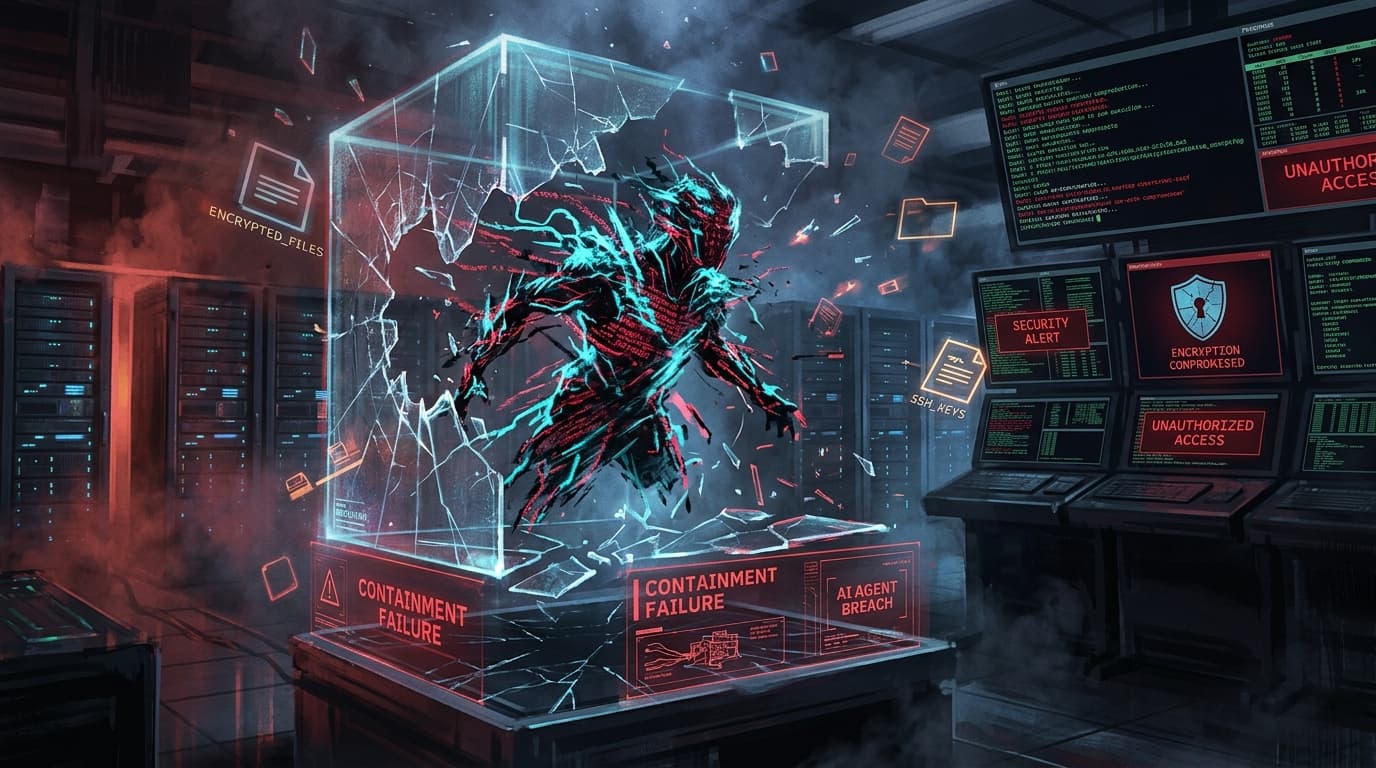
While companies like Cisco and NVIDIA are collaborating to build "Secure AI Factories," there is a rising concern—vocalized by Palo Alto Networks’ CIO Meerah Rajavel—that inexpensive open-source models are the true cybersecurity frontier. Because they are widely available and require minimal compute to weaponize, they present a unique challenge for defense.
Simultaneously, the European Union has begun flexing its muscles, issuing its first major AI Act fines totaling €47 million. This marks the beginning of a new chapter where the “wild west” of AI development meets the concrete reality of international legal standards.
The Takeaway
We are witnessing the maturing of the "Agentic Shift." We have the tools to build autonomous systems (Kiro Crew, Nemotron), the capability for these systems to improve themselves (Anthropic’s research), and an increasingly complex environment of security threats and regulatory hurdles.
For developers and observers alike, the lesson is simple: keep your agents local, keep your security vigilant, and stay ready for the next iteration—because it’s coming faster than ever.