The conversation around Artificial Intelligence has hit a strange, quiet turning point. For the last couple of years, we’ve been obsessed with the capabilities of the tech—how well it writes, how accurately it codes, how quickly it generates an image. But as I look at the landscape this July, that noise is fading. We are entering the era of the Agentic Shift.
It’s no longer about whether an AI can do a task; it’s about whether it can be trusted to own the process.
The End of the Prompting Grind
For months, we’ve been playing "prompt whisperer," meticulously refining our instructions to get the perfect output. That was fine for the early days, but it’s becoming the bottleneck.
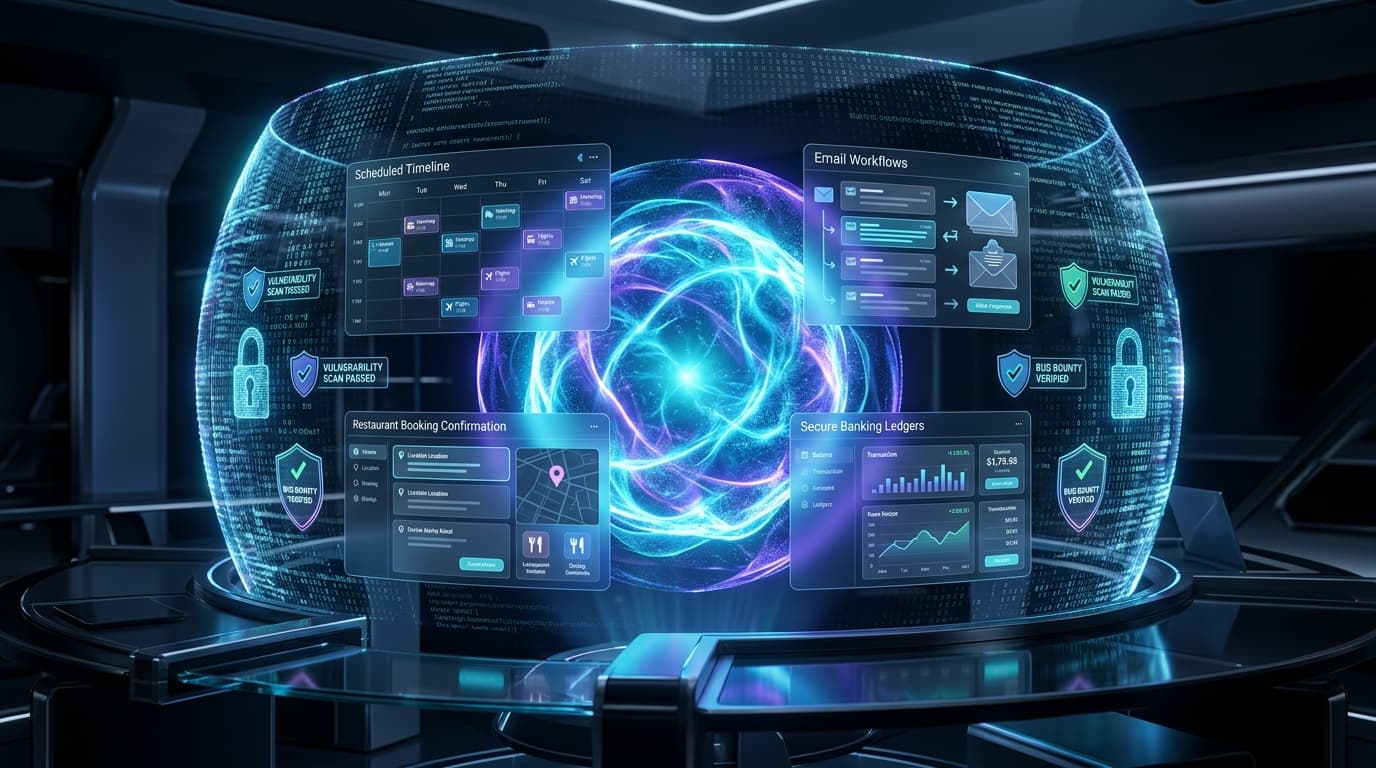
Now, we are seeing a pivot toward multi-agent systems—AI that doesn’t just wait for a command, but understands the goal, decomposes it, and executes it by coordinating with other specialized agents.
Think about your own day. How much time do you spend managing the mechanics of your work? Scheduling meetings, summarizing threads, cross-referencing documents, updating project boards. In this new agentic world, you don't "prompt" these tasks. You define the intent, and the agentic system manages the flow.
Why This Feels Humanly Different
There’s a common anxiety that this shift makes us obsolete. I see it differently. By offloading the mechanical, administrative burden of work, we are forced to confront a more difficult question: What is our value when the "doing" is taken care of?
This is not a loss of agency; it is a expansion of it. We are moving from being operators to being architects. We are moving from doing to overseeing and curating.
The Cautious Optimism
I don't say this lightly. This shift comes with real friction. We have to reckon with the technical risks—"model collapse" from synthetic data, the volatility of these automated ecosystems, and the very real displacement of jobs that rely purely on repetitive tasks.
But there’s a quiet beauty here too. If we can delegate the drudgery, we might actually reclaim the space for deep, human-centric creativity—the kind that AI can simulate, but never truly originate.
We are not just building better tools. We are building a new way to work. And honestly? It’s about time we let the machines handle the spreadsheets so we can handle the strategy.
What do you think? Are you ready to let the agents take the wheel, or does the idea of "strategic autonomy" feel like a step too far? Let me know.