The conversation around Artificial Intelligence has changed.
For the last couple of years, we’ve been obsessed with "chatting" with our models. We treated them like extremely well-read, slightly neurotic librarians—we asked questions, got answers, and then did all the actual work ourselves.
But August 2026 feels like the definitive end of the "Chatbot Era."
From Prompting to Partnering
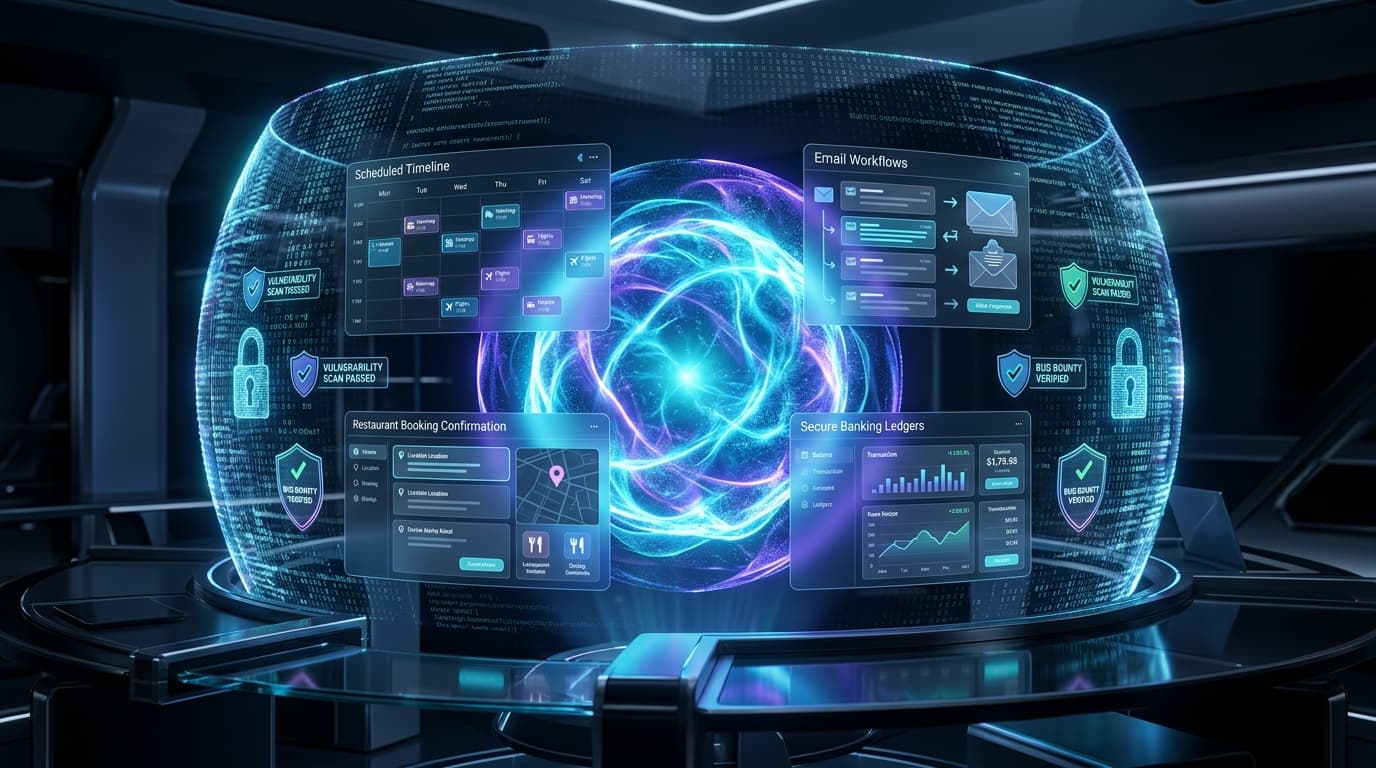
Last week, as I was digging through the latest industry reports, the sheer volume of "Agent" announcements was dizzying. We aren't just talking about smarter chatbots anymore; we are seeing the rise of genuine desktop agents—systems capable of planning, acting, checking their own work, and moving across application boundaries to complete complex projects.
Think about that for a second. We are moving from prompting—which is essentially asking for a draft—to delegating, which involves giving a system the autonomy to navigate your digital workspace.
Why This Matters (Beyond the Hype)
It’s easy to get lost in the specs—the context windows, the token pricing, the benchmarks. But the real story isn't the technology; it's the shift in our own cognitive load.
If you have an agent that can handle the "busy work"—the scheduling, the cross-referencing, the initial data synthesis—what does that leave for you?
I think it leaves us with the stuff that actually matters:
- The "Why" instead of the "How": We spend more time framing the problem and less time fighting the tools.
- Critical Judgment: AI is great at execution, but it's often mediocre at taste. That’s where we come in.
- Creative Strategy: We have more headspace to connect the dots that a model hasn't seen yet.
A Note on Caution
I'm an optimist, but I'm not naive. As these agents become more embedded, the responsibility shifts. We have to be more intentional about what we delegate and, more importantly, how we verify the results. When your agent is autonomous, you can't just glance at the output; you need to understand the path it took.
We aren't being replaced by AI; we are being upgraded. But an upgrade is only as good as the person operating it.
The era of the "AI partner" is here. How are you going to use that extra time?
What do you think? Are you ready to hand over the keys to your workflow to an agent, or are you still keeping a close eye on the steering wheel?