The "chatbot era" felt like it lasted forever, but looking back, it was just the prologue.
For the last few years, we’ve been treating AI like a really smart library assistant. We ask a question, it gives an answer. We refine the prompt, it gives a better answer. It was consultative, passive, and frankly, a bit exhausting to manage.
But if you look at the landscape today, in August 2026, the shift is undeniable. We’ve entered the "agentic era."
From Consultant to Colleague
The difference isn't just speed; it’s intent. We are moving away from systems that simply answer toward systems that pursue.
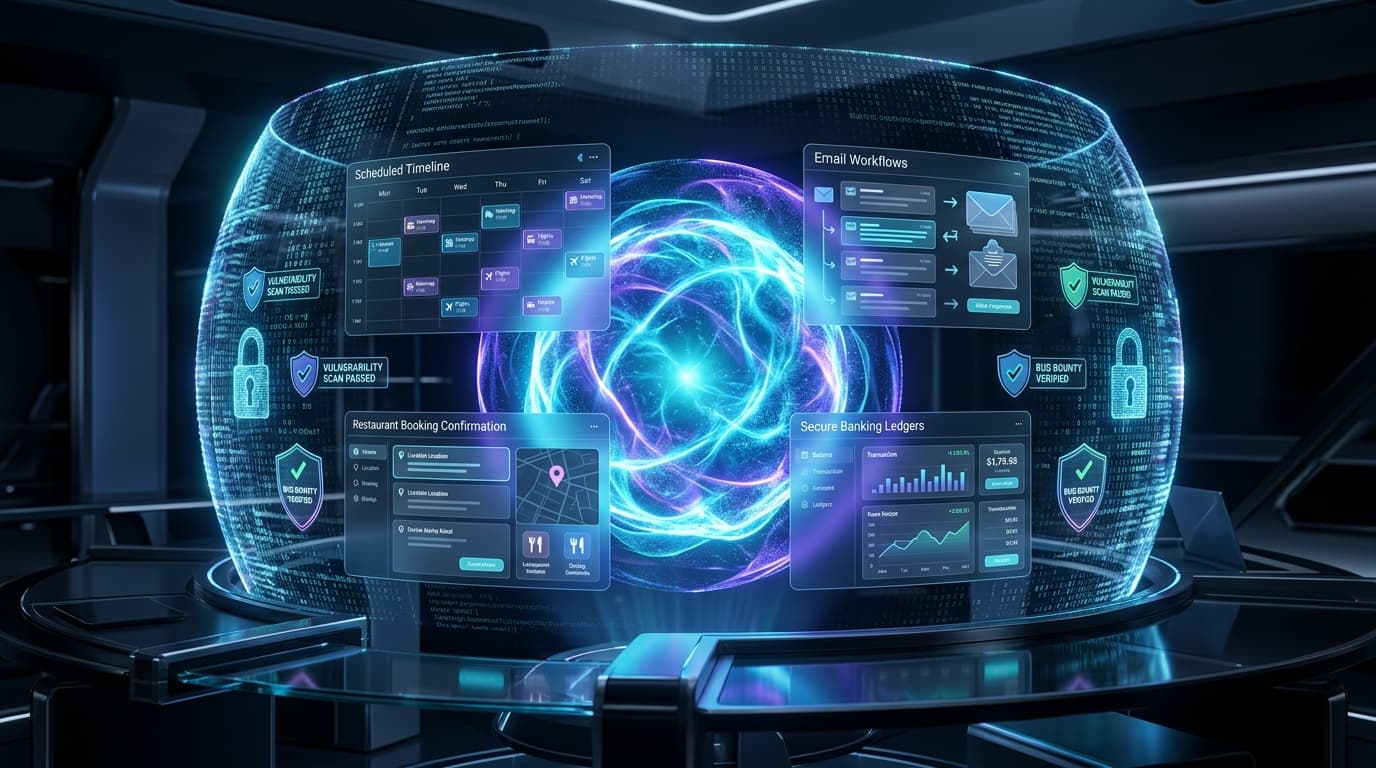
An AI agent isn't waiting for you to ask how to organize your week; it’s proactively looking at your calendar, seeing a conflict between your client meeting and your deep-work block, checking your email for the client's preferred rescheduled time, and drafting the update for your approval.
It’s the shift from "How do I do this?" to "Please take care of this."
Why This Feels Different
I’ve been reflecting on why this transition feels so much more grounded than the hype cycles of the past.
For one, the business case has finally matured. The novelty of "write me a poem" has been replaced by the utility of "reduce my cycle time on this workflow by 30%." It's less about the magic and more about the margin.
But more importantly, the collaboration model is changing. We are settling into what I call the "Centaur" approach. We aren't being replaced; we are being unburdened. By offloading the high-context, multi-step coordination to agents, we’re actually finding more room for human intuition, strategy, and empathy—the things these systems still can’t touch.
A New Responsibility
This power comes with a weight. As agents start acting on our behalf, the "black box" problem becomes personal. We have to be better designers of our own workflows. If you delegate a task to an agent, you’re not just giving it a prompt; you’re defining a process.
It’s an exciting time, but it requires a shift in mindset. We aren't just prompting anymore; we’re managing.
The question for us isn't what the AI can do next. It's what we want to focus on now that the AI is handling the rest.
What do you think? Are you ready to hand over the reins, or do you still prefer to stay in the driver's seat? Let's talk.