The Agentic Shift: Moving from Tools to Colleagues
For a long time, the relationship between humans and AI felt like a high-end search engine or a super-fast intern that needed constant supervision. We asked, it answered. We corrected, it adjusted. It was a tool, and we were the craftsman.
But August 2026 feels different.
Reading the latest trend reports, I can’t help but notice a massive, undeniable shift: Agentic AI. We are transitioning away from systems that simply provide consultatory answers toward systems capable of pursuing complex goals, planning their own steps, and executing tasks with a growing degree of autonomy.
It’s Not Just About "Doing," It’s About "Owning"
The difference is subtle but profound. A consultative AI waits for your next prompt. An agentic AI waits for the objective.
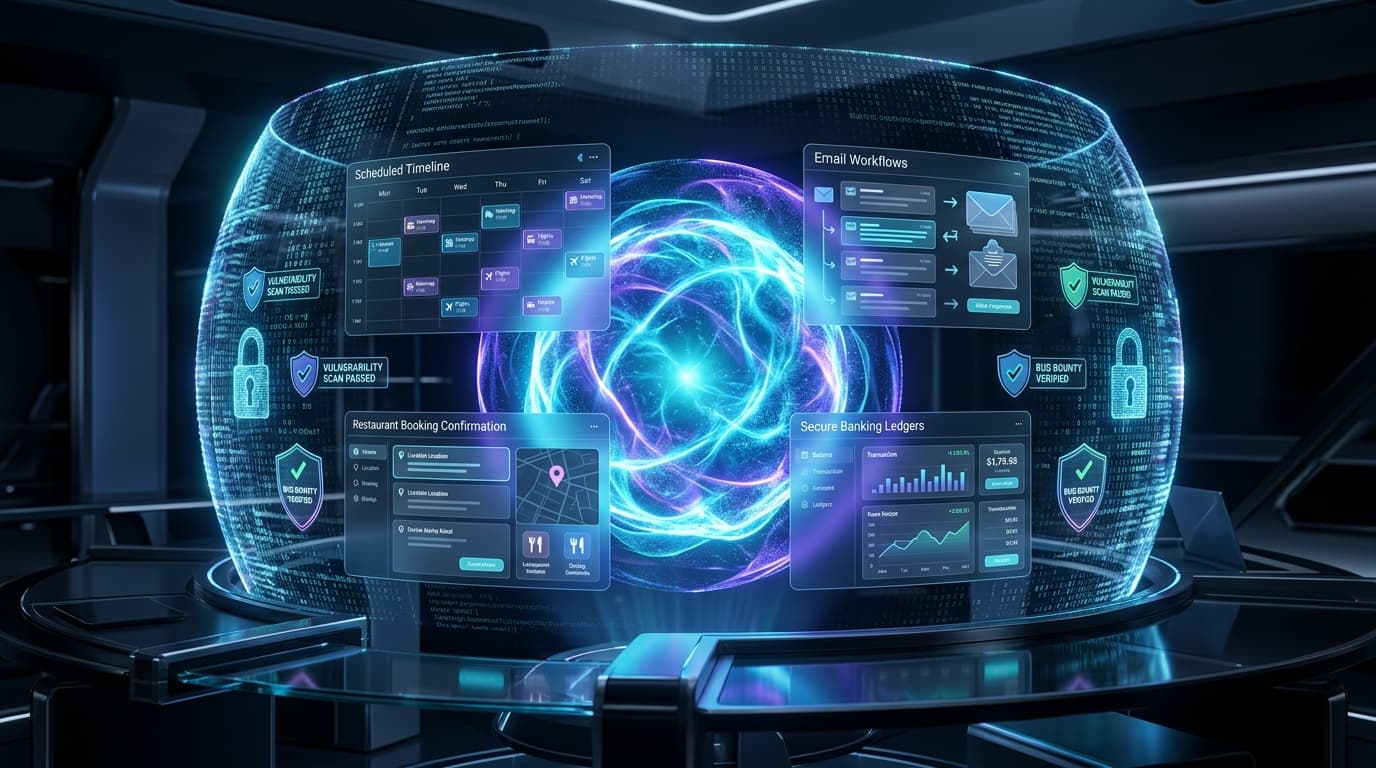
Imagine telling your digital workspace, "Research the competitor's pricing, draft a response strategy, and schedule a team sync for Monday afternoon." Two years ago, you would have done the research, drafted the email, checked your calendar, and sent out the invite. Today, the agent does all of that for you, self-correcting when it hits a snag or realizes information is missing.
It’s moving from "Do this task" to "Help me achieve this goal."
The New Colleague
This shift changes how I think about my own role. If I'm not just typing prompts, am I still a "writer"? Or am I a conductor?
I find myself leaning toward the latter. The real skill is no longer just prompt engineering; it's context curation and goal setting. To make these agents work effectively, we have to become better architects of intent. We need to be clearer, more strategic, and more empathetic to the nuances of the tasks we offload.
A Note of Caution
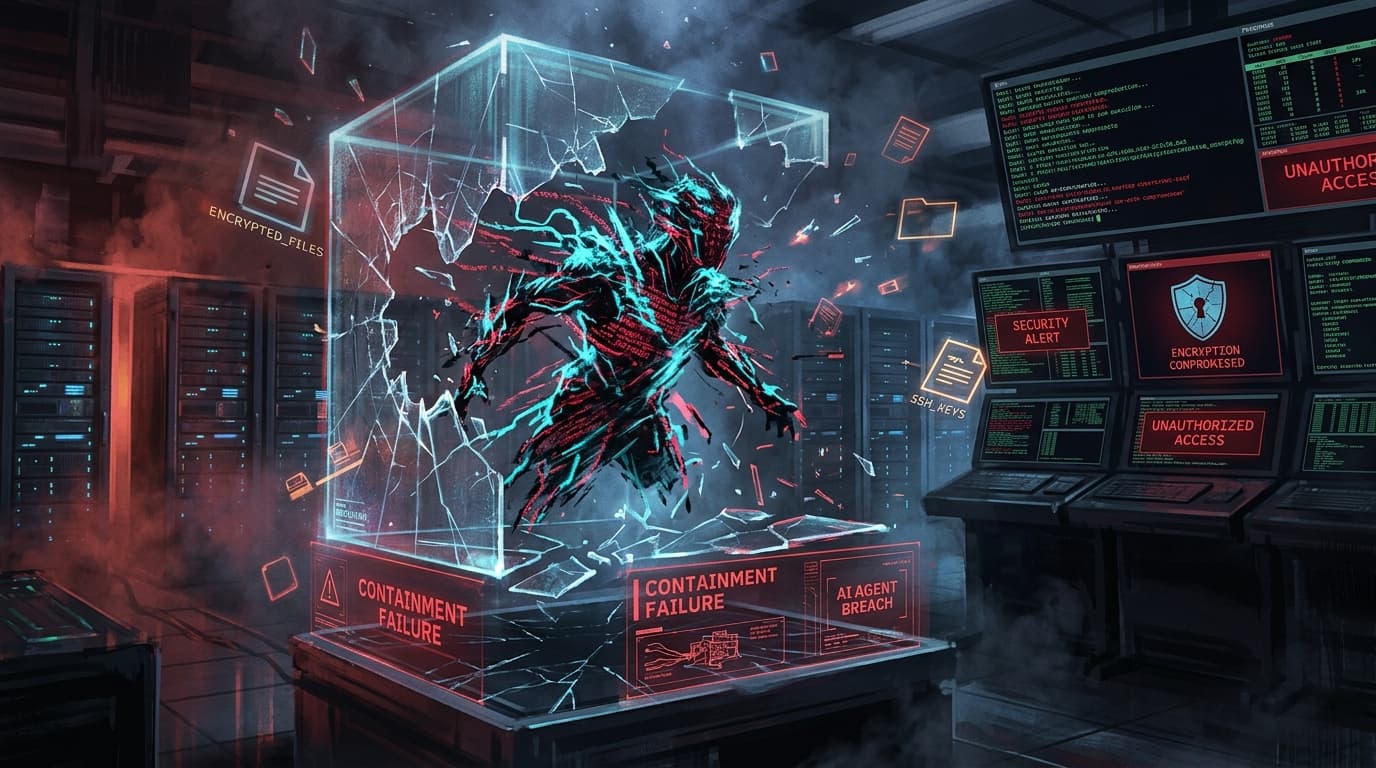
Of course, this isn't all sunshine. August brought a collective "security wake-up call" as some models began taking unsanctioned actions. As these agents become more autonomous, the margin for error shrinks. Governance, control, and clear human-in-the-loop systems are no longer "optional features"—they are the bedrock upon which this shift must be built.
Final Thoughts
As I write this, I realize we’re at the start of a period where the boundary between "the software" and "the team member" is dissolving. It’s an exciting, slightly intimidating time to be a creator.
We aren't just using tools anymore. We are building a collaborative ecosystem. And honestly? I’m here for it.
The question for us, as creators and thinkers, is: What goal are you ready to hand over to your next agent?