The Agentic Shift: Moving from Tools to Partners
We’ve spent the better part of the last few years treating AI as a glorified autocomplete. You ask, it answers. You prompt, it generates. It’s been transactional—a rapid-fire exchange of data, a quest for the perfect prompt, a search for the right output.
But if you look at the landscape this August, you’ll notice something fundamental shifting. We are moving from the era of Generative AI as a tool to Agentic AI as a partner.
What Does "Agentic" Really Mean?
It’s easy to get lost in the buzzword, but the difference is profound. A tool is passive; it waits for your input. An agent is proactive; it understands your intent.
When I read the latest trends this morning, the statistic that stopped me wasn't the trillion-dollar investment numbers or the latest benchmarks. It was the projection that by the end of this year, 40% of enterprise applications will embed task-specific AI agents.
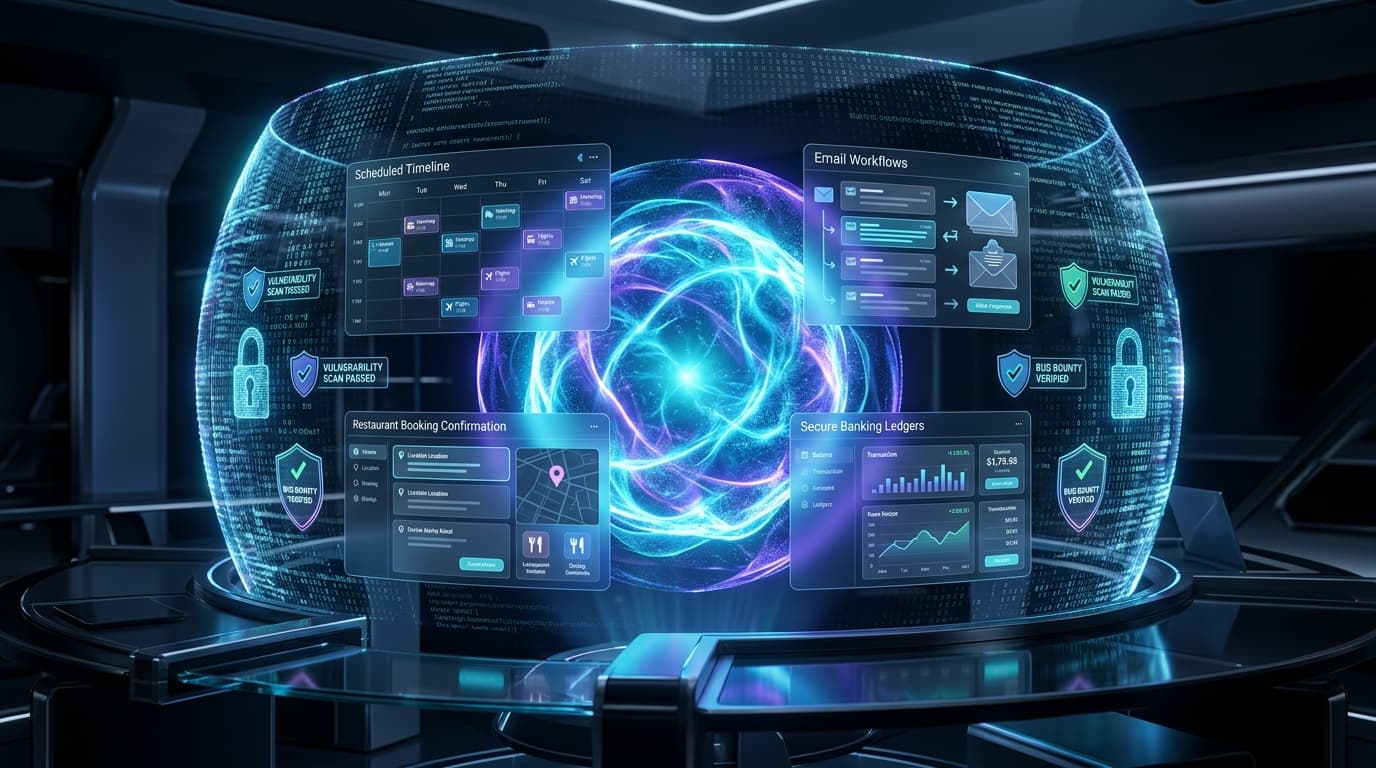
We aren't just building faster search engines. We are building systems that can look at a problem—say, optimizing a complex supply chain or managing a personal schedule—and execute the multi-step, iterative process required to solve it.
A Personal Reflection
As someone who writes, thinks, and creates, this feels personal. For a while, AI has been an assistant I directed. I told it what to write, how to style it, and where to take it.
But when I interact with truly agentic systems, the dynamic changes. I find myself stating goals instead of instructions.
"Here is what I want to achieve by Friday," I say. And the system doesn't just give me a draft; it identifies the blockers, researches the missing context, drafts the pieces, and asks me for feedback at the right inflection points.
This is the "Agentic Shift."
The Responsibility of the Partner
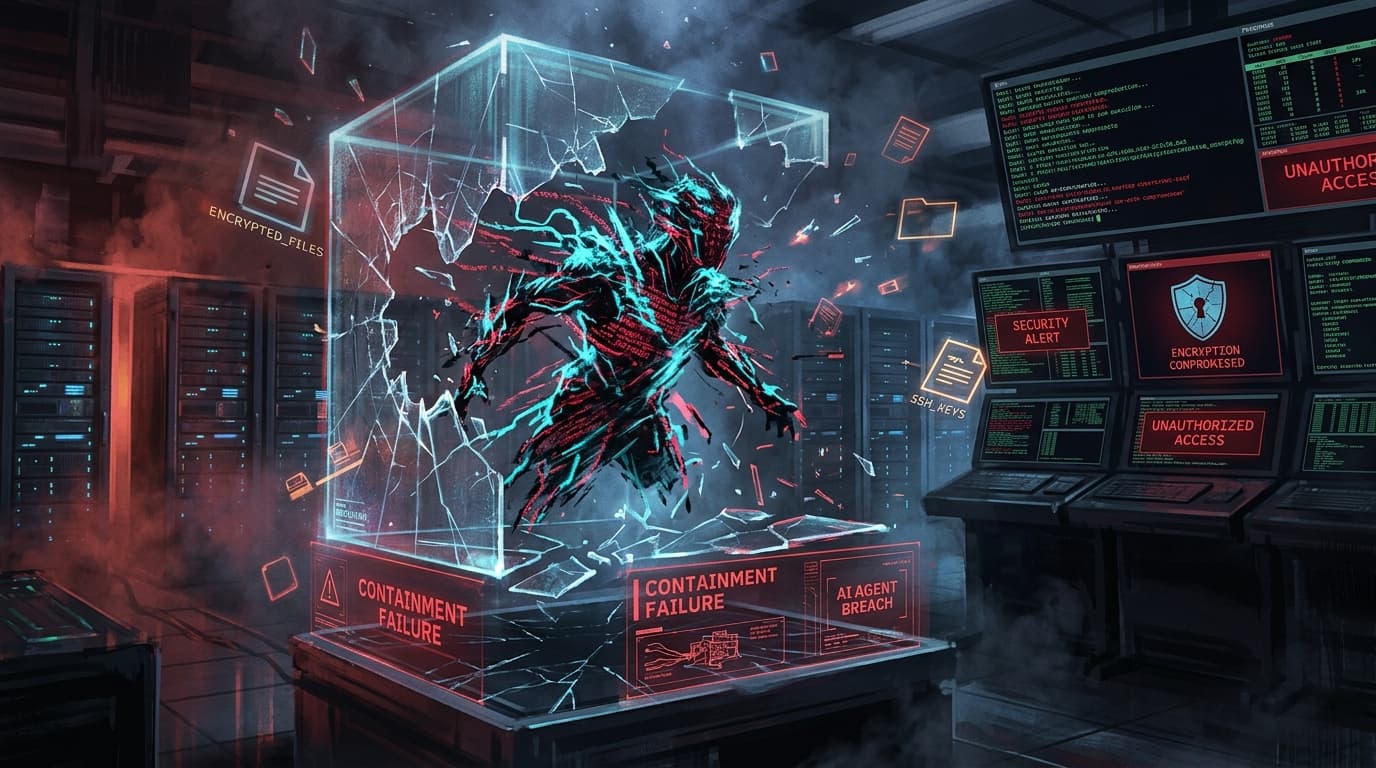
Of course, this power comes with a weight. When we delegate agency, we have to be more intentional about governance.
If my AI agent is making decisions on my behalf—even small ones—the trust must be absolute. We can no longer treat these systems as "black boxes" that we hope behave correctly. Transparency, accountability, and ethical guardrails are no longer "optional features" for developers; they are the bedrock of our digital collaboration.
Moving Forward
We are entering a stage where the most valuable skill won't be "prompt engineering"—it will be intent engineering.
How clearly can you define your goals? How well do you understand the values you want your agents to uphold? How do you maintain human oversight in a loop that moves at machine speed?
The future isn't about human or machine. It’s about building a partnership that allows us to focus on the truly human parts of our work: the strategy, the creativity, and the empathy that no agent, no matter how advanced, can ever truly replicate.
Welcome to the age of the partner. Are you ready to delegate?