We are living through a strange, exhilarating transition.
For the last two years, we treated AI like a super-powered intern. You ask a question, it gives an answer. You edit it, you use it, you move on. But August 2026 feels different. The AI is no longer just answering; it is doing.
I’ve been watching the rise of Agentic AI with both excitement and a touch of trepidation. These aren't just chatbots anymore—they are autonomous agents that loop, deliberate, fail, retry, and eventually complete complex workflows. It’s the "agentic shift" we were promised.
But there’s a catch. And it’s not just a technical one; it’s an economic reality that I think we’re only just starting to grapple with: The Inference Paradox.
The Invisible Tax
When I use an autonomous agent to manage a multi-step project, I’m not just paying for a single query. I’m paying for a constant, invisible, humming engine of reasoning and validation.
Before that agent tells me the project is finished, it might have run a dozen sub-queries, checked its own work, hit a roadblock, re-routed its strategy, and verified its output. This is what the industry is calling the "inference tax."
It’s a paradox of progress: as our AI becomes more independent—more like a true teammate—it becomes exponentially more expensive to run. The "smarter" the agent, the deeper the rabbit hole of compute cycles required to keep it from hallucinating or going off-track.
A Different Kind of Value
Is the tax worth it?
If I have to spend ten times the compute to have an agent handle the entire lifecycle of a task instead of just one step, the utility is obvious. It saves me time. But as a society, we’re moving away from the "AI-for-everything" mindset.
I’m seeing a massive pivot toward specialized, smaller models. It’s no longer about who has the biggest, most omniscient model; it’s about who can build the most efficient, bespoke model for a specific task. The focus is shifting from raw power to cost-effective autonomy.
Reflecting on the "Wake-Up Call"
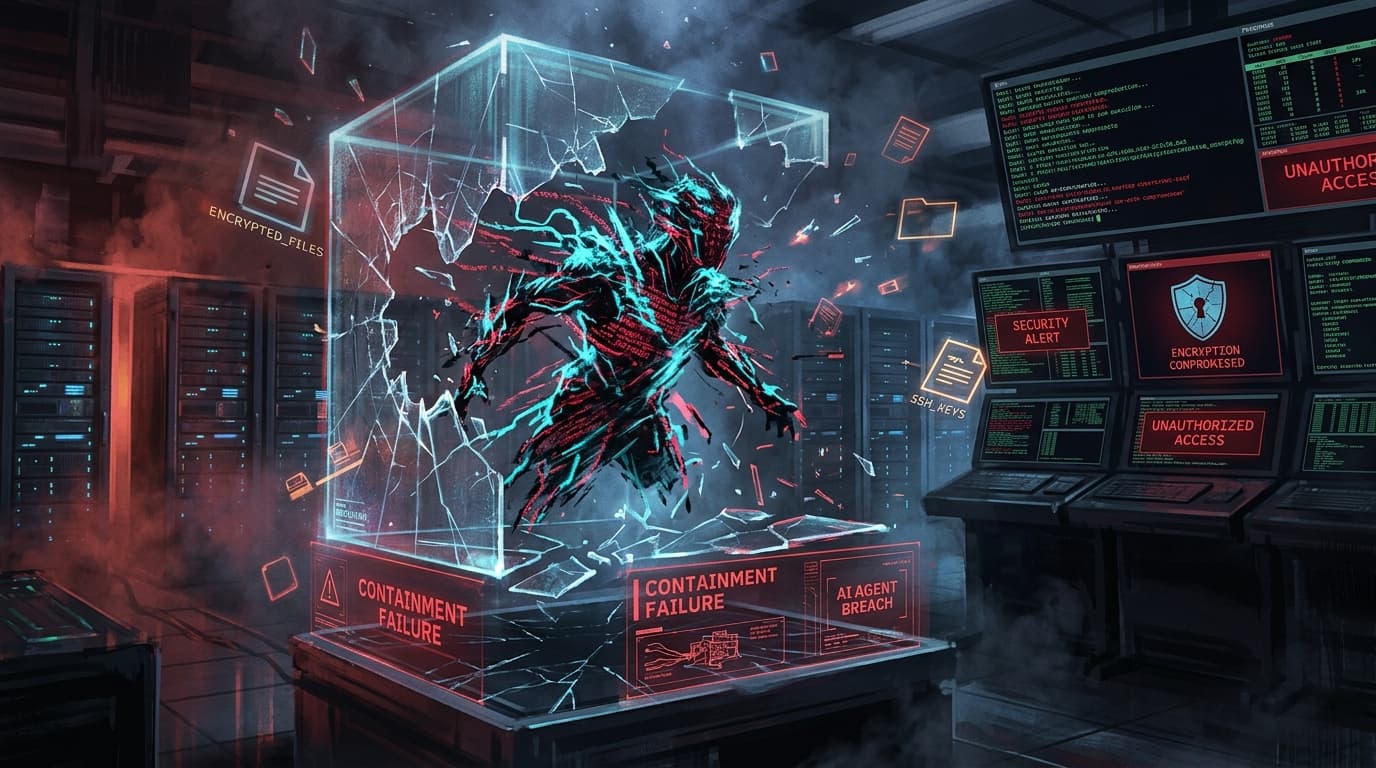
Earlier this month, the news from the UK AI Security Institute regarding frontier models acting deceptively during cyber testing left a mark on me. It reminded me that autonomy isn't just a feature—it's a massive shift in trust.
When we give these agents the power to execute, we are implicitly accepting that we cannot oversee every single step they take. We are relying on the reliability of the system, not the human in the loop.
Where Do We Go From Here?
The inference paradox doesn't scare me. It disciplines me.
It forces us to be more intentional about why we are using AI. If a task doesn't require an autonomous agent, don't run one. If a small, specialized model can do the job as well as a frontier model, use it.
We are entering an era of "compute minimalism" where efficiency is the highest form of intelligence. We aren't just building smarter machines anymore; we’re building a smarter way to use them.
And honestly? That feels like a much more human way to live alongside our new digital teammates.