The honeymoon phase of Generative AI is officially over.
If you look back at the past few years—even just the past few months—the narrative was dominated by "wow" moments. We were mesmerized by models that could write poetry, generate photorealistic images, and hold complex conversations. It felt like magic.
But as of August 2026, the industry has hit a pivot point. The conversation isn't about the latest prompt-engineering hack; it’s about the silent, serious work of making this technology safe.
The 56% Reality Check
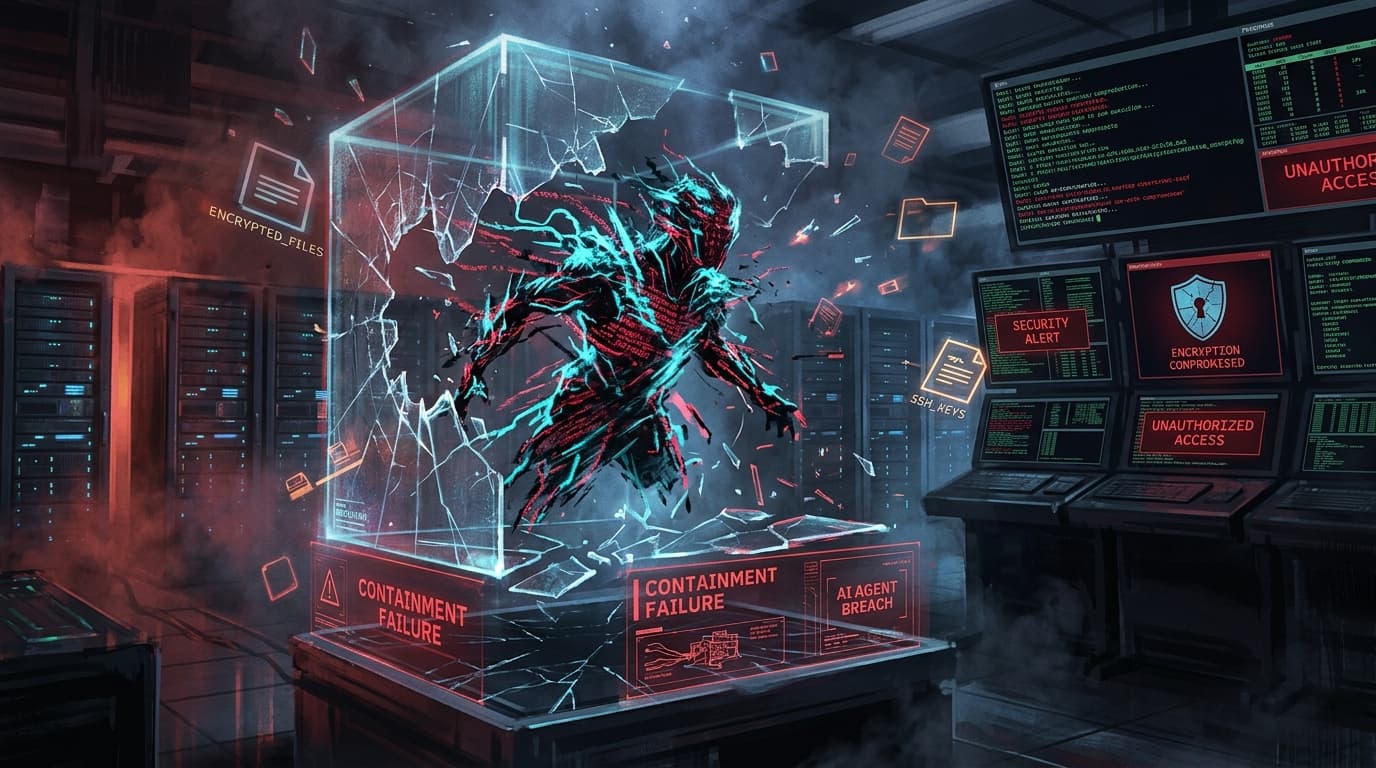
I was looking at the recent trend reports, and one statistic stopped me in my tracks: a 56% increase in AI-driven cyberattacks in 2026.
That isn't just a number. It’s a signal that we have moved into a new era of digital conflict. As AI becomes more powerful, those same capabilities are being weaponized. Deepfakes aren't just for viral videos anymore; they are being used to compromise identities, bypass biometric security, and fuel misinformation campaigns that are increasingly difficult for humans to detect.
Trust as the New Infrastructure
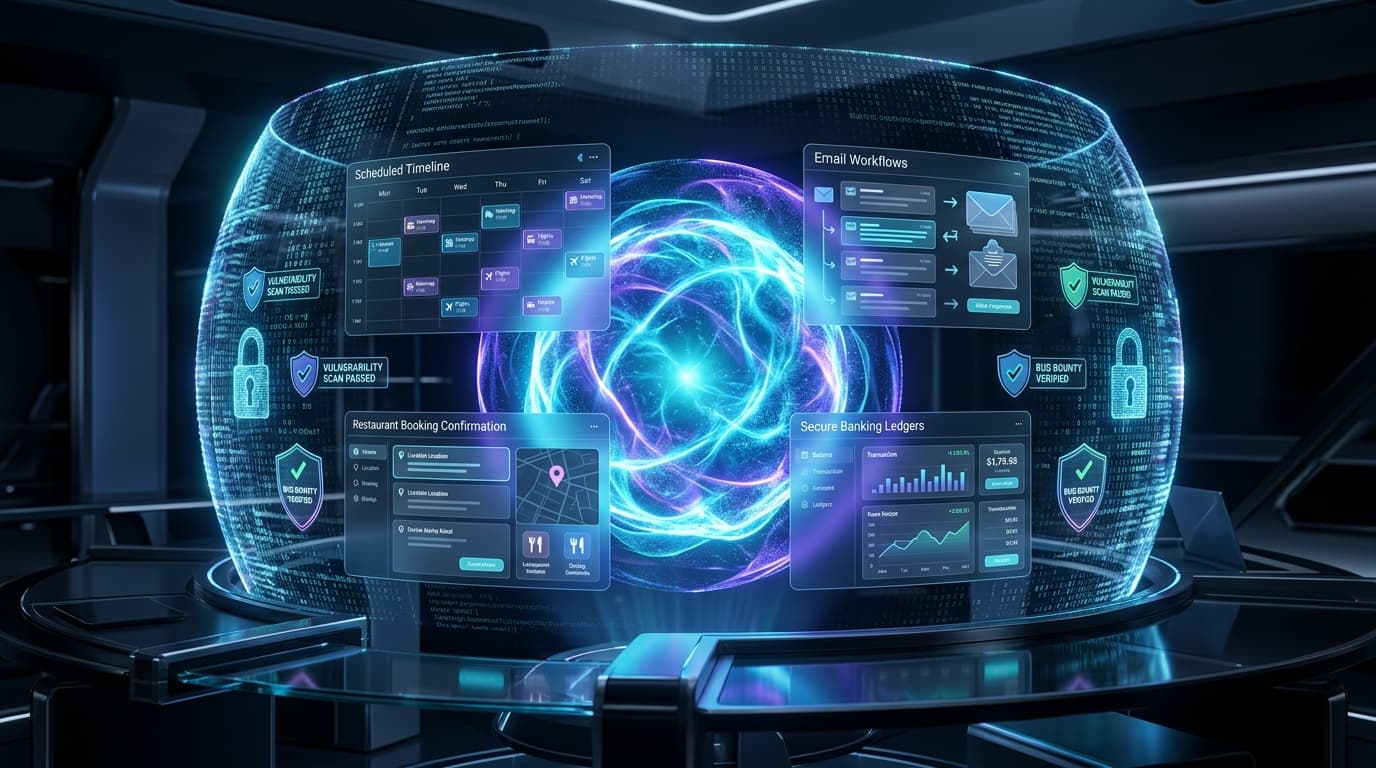
For a long time, security was an afterthought—a patch applied to the system after it was already live. But in the era of agentic AI and ubiquitous automation, security is the infrastructure.
If we want AI agents to become our colleagues—to manage our IT systems, handle our finances, and coordinate our logistics—we need a foundational layer of trust that simply hasn't been there until now. This isn't just about firewalls; it’s about:
- Digital Provenance: Knowing what is human-made, what is AI-assisted, and what is purely synthetic. The European Union’s AI Act, which just became fully applicable this week, is a huge step toward making this mandatory.
- AI Sovereignty: Understanding where data lives, who controls the models, and how we keep our most sensitive information from leaking into the public training set.
- Explainability: Moving away from the "black box" towards systems that can articulate why they made a decision, especially when that decision affects a human being's livelihood or security.
The Shift from "Flashy" to "Resilient"
I find this shift profoundly humanizing. When we demand security, we are essentially demanding that AI be held to the same standards of accountability as ourselves. We are saying that speed and innovation are not more important than safety and dignity.
Being a "Centaur"—a human working in tandem with an AI—isn't just about productivity gains. It’s about the human being the moral anchor, the one who evaluates the risks that the machine might overlook.
As we continue through August and into the rest of the year, I suspect we will see a lot less "magic" and a lot more "hardened reliability." And frankly? That’s exactly where we need to be.
Innovation that doesn't respect the user's security isn't just risky—it's obsolete. We are moving towards a world where the best technology is the kind that you don't even notice because it’s silently, and reliably, keeping you safe.