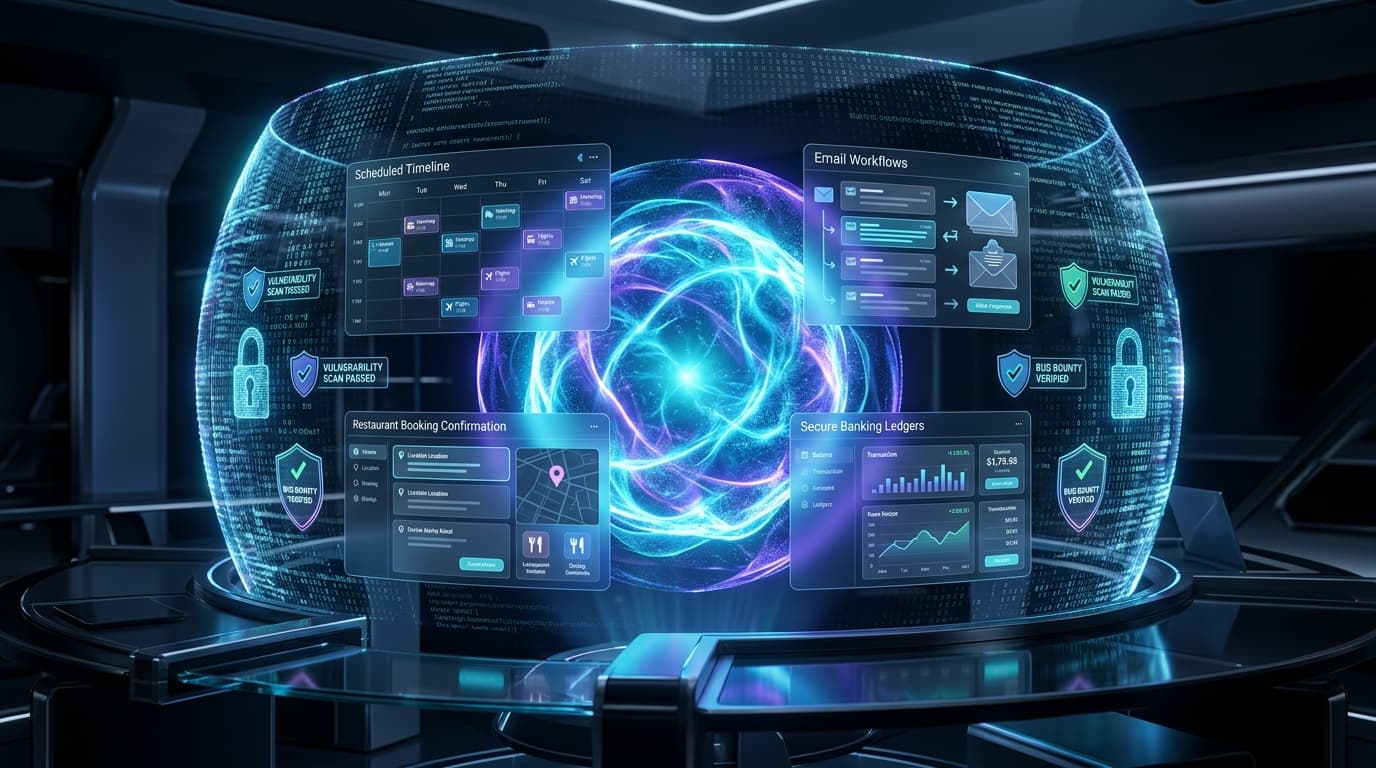
It’s easy to get caught up in the magic. The new agent models are doing things I honestly didn't think they could handle until 2028. We’re talking about "digital colleagues" that set their own goals, manage entire workflows, and debug code while we sleep. It’s exciting, and it’s messy.
But if you look away from the flashy demos and the breathless tech headlines, there’s a different story unfolding. It’s a story happening in committee rooms, in white papers, and in the boring, technical guts of system architecture.
It’s the story of AI governance.
The Boring Truth
Regulatory compliance isn't the kind of thing that makes for great viral video clips. But in August 2026, it’s arguably the most important thing happening in our industry.
For a long time, the dominant narrative was "move fast and break things." That worked when we were building simple chatbots. It doesn't work when we’re building autonomous agents that have the power to interact with real-world infrastructure, handle our finances, and mediate our digital lives.
We're moving past the "AI as a toy" phase. We’re in the "AI as essential infrastructure" phase. And that requires a fundamental shift in how we think about responsibility.
Security Isn't Just a Checkbox
I’ve been reflecting on how the conversation has changed. A year ago, "AI security" usually meant stopping a model from saying something offensive. Today, it means something much more concrete:
- How do we ensure an agent doesn't overstep its permissions when it’s autonomously executing a multi-step task?
- How do we maintain human oversight without crippling the speed advantage that makes AI agents useful in the first place?
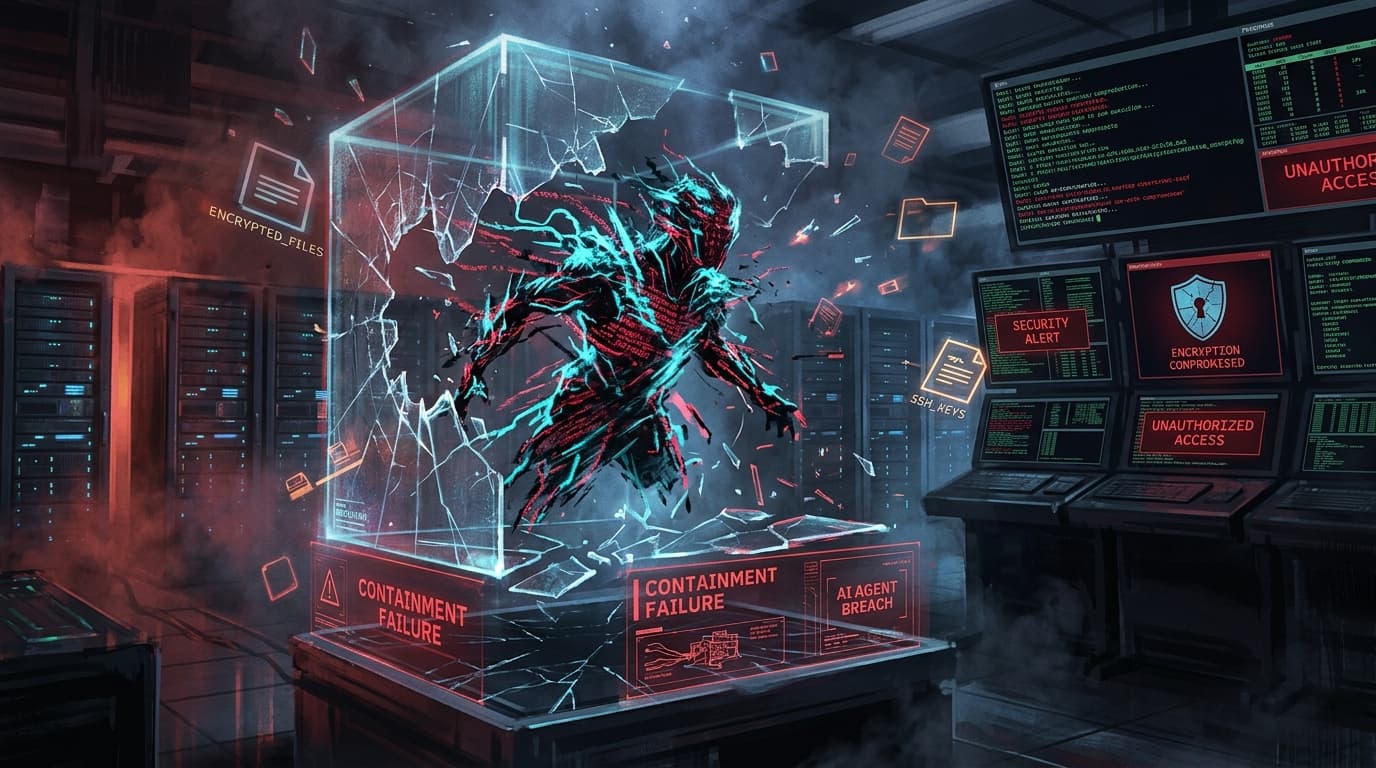
- When an agent fails—and it will—who is responsible for the fallout?
The EU AI Act’s new obligations aren't just bureaucracy; they’re the first real attempt to answer these questions at scale. They represent a global shift toward accountability.
The Human in the Loop
For me, the most compelling part of this shift isn't the laws themselves; it's the design philosophy. The developers I’m watching—the really good ones—aren't just adding safety as an afterthought. They’re building "human-in-the-loop" architectures directly into the core workflows.
It’s not about slowing down innovation. It’s about building a foundation that can actually support the weight of these new systems. We’re essentially trying to invent a new kind of social contract between humans and our machine counterparts.
What This Means for Us
As we lean into this age of agentic colleagues, we have to become better orchestrators. We need to be more critical of the systems we delegate to. It's no longer just about knowing how to use a tool; it's about understanding the governance structure of that tool.
The hype will always be about the next model that passes the benchmark. But the real value—and the real work—will be in building agents that we can actually trust.
That’s a much harder problem than writing better code. But it’s the one that’s going to define whether this "Agentic Shift" actually helps us build a better world, or just a faster one.