The Quiet Revolution of Embedded AI
We spend a lot of time talking about the "flashy" side of AI—the agents that can code an entire app, the models that generate cinematic video, or the ones that pass impossible exams. It’s exciting, it’s loud, and it makes for great headlines.
But if you look closely at the data coming out this mid-2026, there’s a much quieter trend that’s actually doing the heavy lifting in our daily lives: Embedded AI.
The End of the "Prompting Chore"
For the last couple of years, "using AI" meant stopping what you were doing, opening a chat interface, crafting a prompt, waiting, and then copying the result back into your actual work. It was a friction-filled loop.
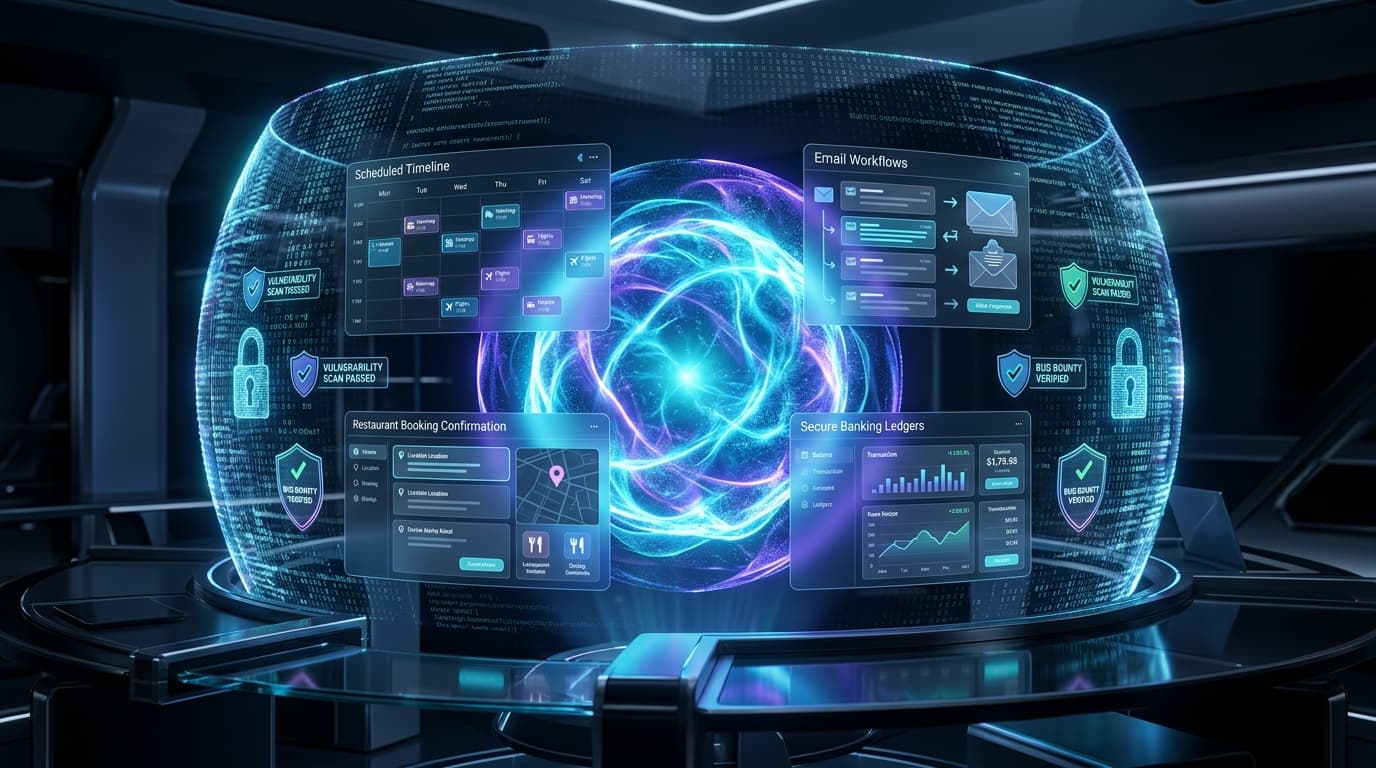
Now, the shift is moving towards invisibility. Embedded AI means the machine intelligence isn't a separate tool I go to; it's already living inside the tools I already use. It’s the invisible assistant in my document editor, the smart filter in my email client, and the context-aware logic inside my project management software.
This is the real transition to the AI-augmented enterprise.
Why This Matters
When AI becomes invisible infrastructure, it changes from being a "task" to being "how we work."
- Context is King: Because these models are embedded, they already know what you're working on, who you're working with, and what your goals are. You don't have to explain the context every single time.
- Cognitive Load Reduction: The most powerful AI isn't the one that does the work for you; it's the one that removes the friction that makes you not want to do the work. It’s automating the mundane so you can focus on the creative.
- Seamless Integration: By removing the "prompt-response" cycle, we reach a state where AI is simply an extension of human intent.
A Reflective Note
As I write this from my desk in 2026, I can’t help but think about how much we’ve moved past the "AI-novelty phase." We aren't just playing with robots anymore; we are building systems that integrate into the fabric of our lives.
The most transformative technologies are almost always the ones that eventually become so standard, so woven into the background, that we stop calling them "AI." We just call them "our work tools."
And that, to me, is exactly where we want to be.
What do you think? Are you embracing the quiet shift, or do you still prefer the direct control of an AI chatbot?