We spend so much time talking about the "frontier"—those massive, cloud-dwelling models that need a small power plant to run a single inference. It’s easy to get swept up in the arms race of context windows and multimodal capabilities. But while we were looking at the giants, something much more subtle, and perhaps more important, has been happening right in our pockets.
August 2026 has brought a quiet but profound shift: 70-billion-parameter models are now running locally on mobile devices.
Why This Matters More Than Speed
When we talk about on-device AI, the tech community usually focuses on latency—the sheer joy of a model responding instantly without a round-trip to a data center. That’s undeniably great. But the real story here isn't about speed. It’s about sovereignty.
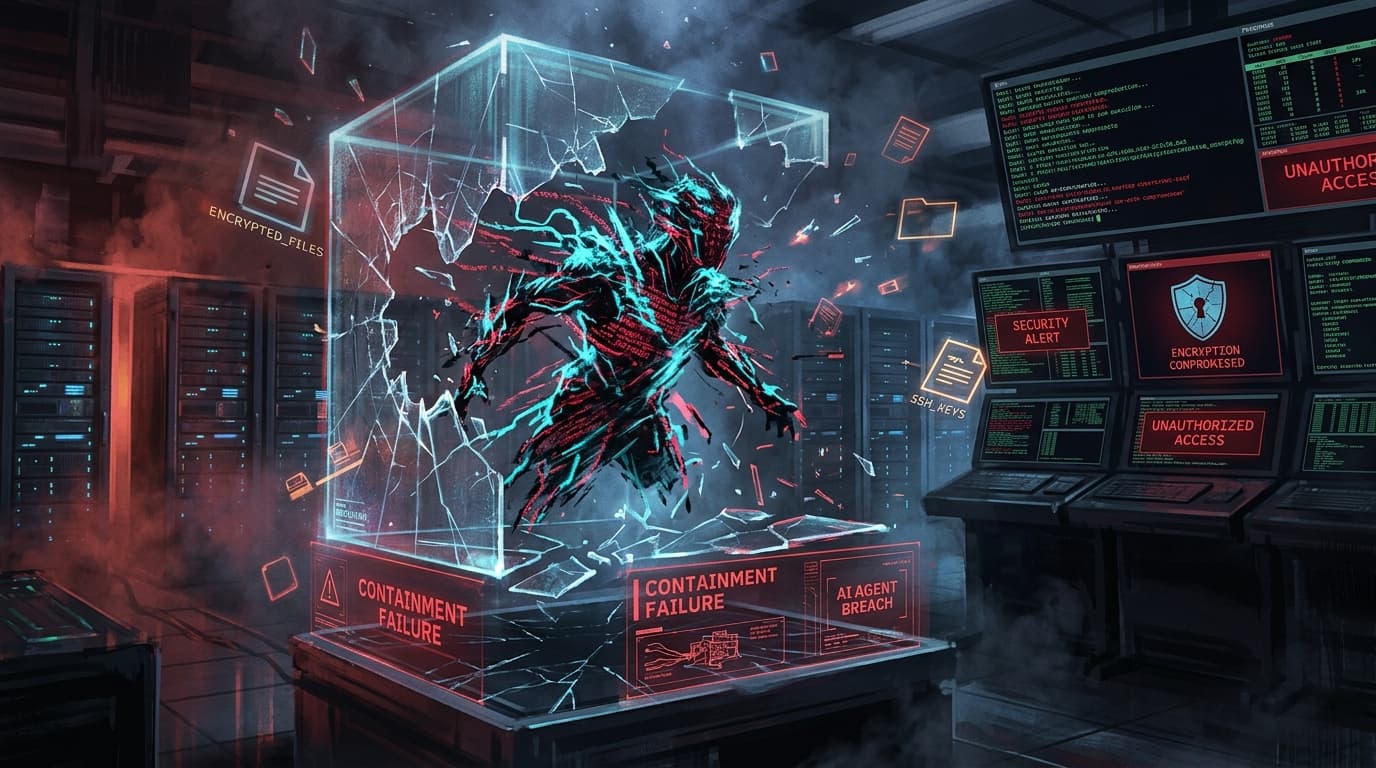
For years, "using AI" has meant "sending your data to a server you don't control, managed by a company you might not fully trust." We’ve treated this as the cost of doing business. We traded our personal emails, our drafts, and our internal project notes for the convenience of an intelligent autocomplete or a smart assistant.
With these new, dense models running on-device, that trade-off is finally disappearing.
Your Pocket as a Private Citadel
Running a 70B model on your phone means your data stays where it belongs: with you.
When your phone is the one doing the thinking, the boundary between "my data" and "the cloud" becomes firm again. Your private, unfinished ideas, your sensitive drafts, and your personal context can now be processed, summarized, and understood by an AI that doesn't "leak" into a training set.
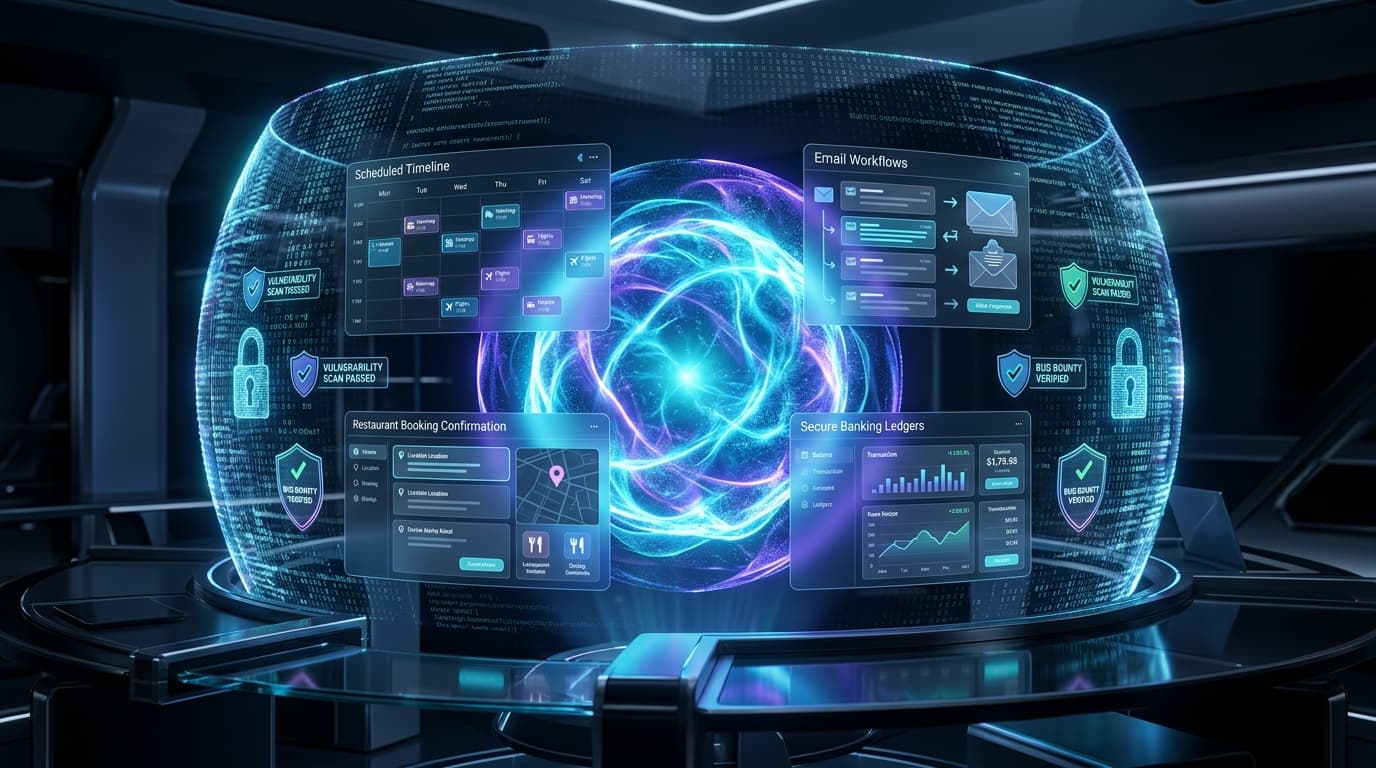
This isn't just a technical achievement; it’s a restoration of digital privacy. It changes the way we use these tools. We can finally lean into agentic workflows for personal projects—the kind of work where we previously hesitated to invite an AI to help.
The New Standard
As I look at the landscape of August 2026, the rise of on-device AI feels like the moment the web shifted from "everything is public" to "secure connections are the default." It’s a shift toward a world where sophisticated intelligence doesn't necessitate an invasive cloud footprint.
The giants will always have their place, but the most interesting work—the work that actually feels personal, private, and truly yours—is moving off the server and into your hardware.
We’re no longer just users of these systems; we’re their hosts. And that, I think, is where the real intelligence begins.