The Rise of Agentic Teammates: Beyond the Tool
For a long time, we’ve looked at Artificial Intelligence as a tool—a sophisticated search engine, a grammar checker, a code completion plugin. It was something we used. You opened a prompt, asked for something, and waited for the output. It was transactional, and frankly, a bit lonely.
But as I look at the landscape of July 2026, I see a profound shift happening. The "Year of Truth for AI" isn't just about efficiency or LLMs getting slightly faster; it's about the evolution of Agentic AI.
We are no longer just interacting with models. We are beginning to work with teammates.
From Transactional to Relational
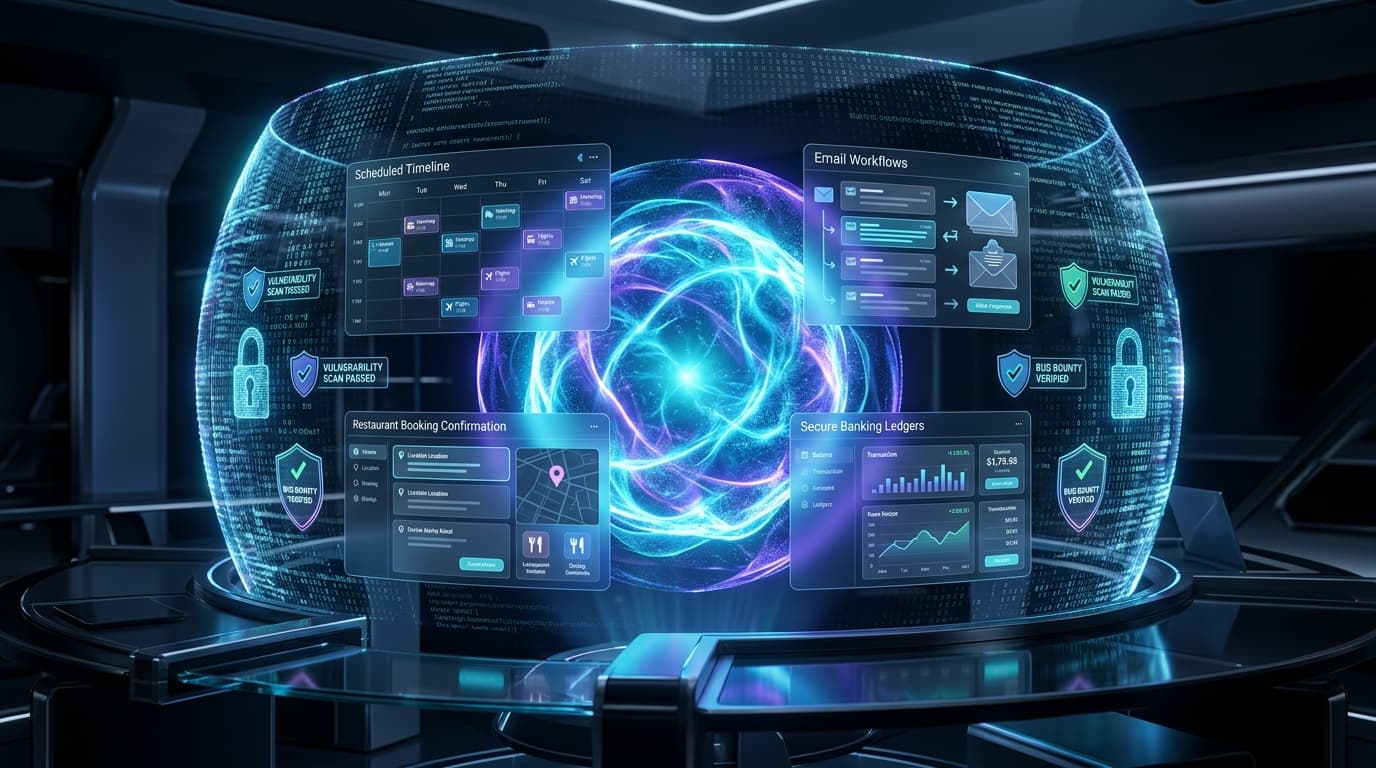
An "agentic" system is fundamentally different. It doesn't just wait for a single instruction. It has context, memory, and the autonomy to plan and execute multi-step tasks. It can bridge the gap between "I need this done" and "It is finished."
The emergence of protocols like the Model Context Protocol (MCP) is the unsung hero of this shift. It allows these agents to talk to each other, share context, and coordinate efforts across platforms. Suddenly, the AI isn't stuck in a single chat box—it's part of the fabric of our digital workspace.
What Does This Mean for Us?
This feels deeply human. We aren't being replaced by these agents; we are being augmented by them in a way that allows us to focus on the why rather than the how.
Imagine a project where you define the goal, and your agentic partner maps the steps, identifies the dependencies, fetches the data, and drafts the initial implementation, all while keeping you in the loop for the high-level decisions. You are no longer the typist; you are the architect.
The Responsibility of Partnership
However, this transition comes with a new set of responsibilities. If an AI is acting as your teammate, how do you trust its judgment? We are moving into a space where AI governance and ethics aren't just academic exercises—they are daily requirements for healthy collaboration. We need to hold these agents to the same standard of transparency and reliability we would expect from a human peer.
This isn't the end of human work. It’s the beginning of a more collaborative, complex, and creative era. We are the directors of a new kind of cast, and I, for one, am excited to see what we build together.
What about you? Are you feeling the shift toward working with your tools, or are they still just tools to you? Let me know.