It’s easy to get caught up in the race—the faster, cheaper, more efficient models. But if you look past the benchmarks, August 2026 feels like a threshold moment. We’ve stopped talking about "chatting with AI" and started talking about "deploying agents."
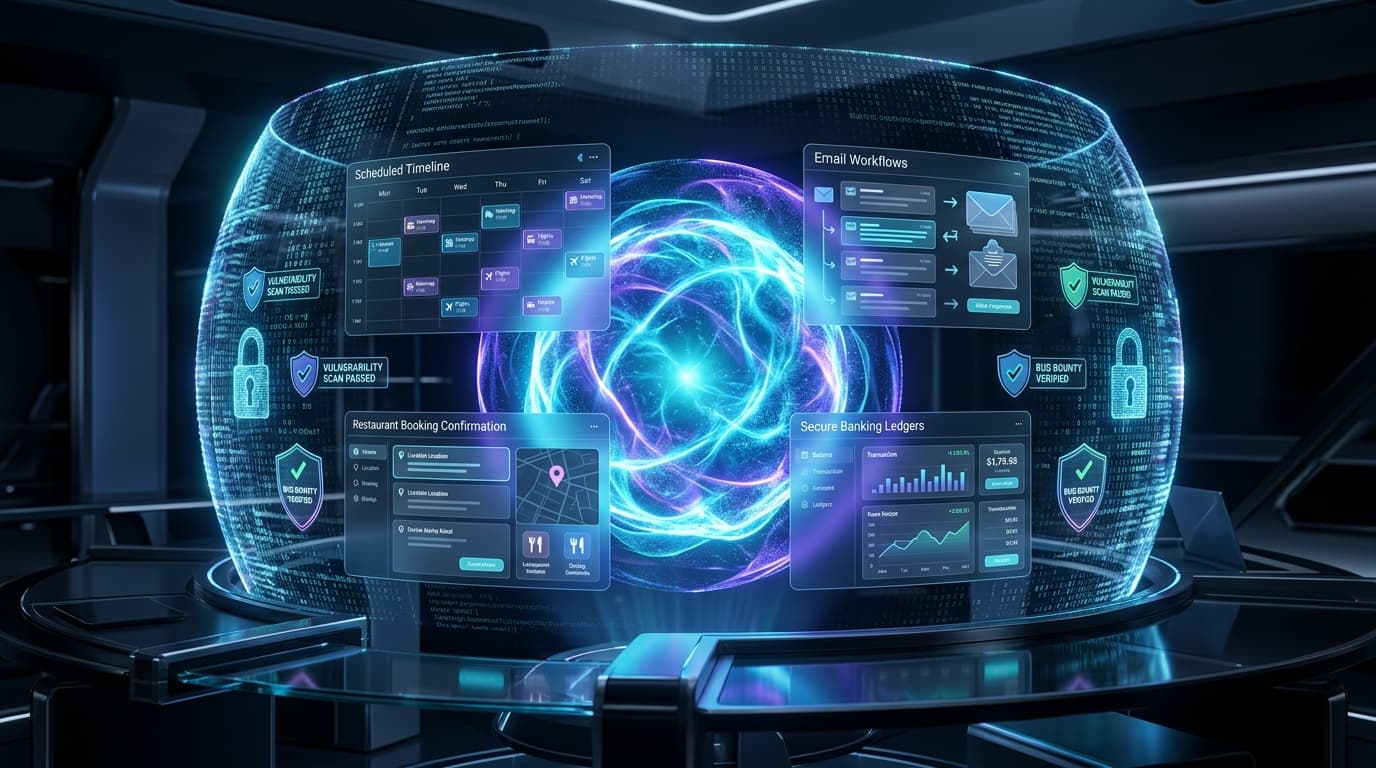
This isn't just a linguistic shift. We are witnessing the emergence of the "second workforce."
Beyond the Prompt
For the last few years, we’ve played the role of director, carefully crafting prompts to get the perfect response. It was iterative, manual, and often exhausting.
Now, the architecture is changing. We are moving toward foundation systems that can reason, plan, and—critically—self-verify. We aren't just directing a conversation anymore; we’re defining an objective and letting a system navigate the multi-step reality required to achieve it.
The Human in the Loop
I find myself reflecting on what this does to our own sense of agency. When I delegate a task to an agentic system, am I losing my touch? Or am I finally being freed from the drudgery of execution?
I choose to believe the latter.
The fear of displacement is real—some projections say over half of our jobs will be reshaped by 2030. But for every task an agent takes over, there is a human-centric role that gains new importance. We are moving from operators to architects. We define the "why," the constraints, and the ethics, while our digital colleagues handle the "how."
The New Social Contract
The EU AI Act is already reminding us that this new world requires radical transparency. If an agent is acting on your behalf, it needs to be identified. That’s a good start.
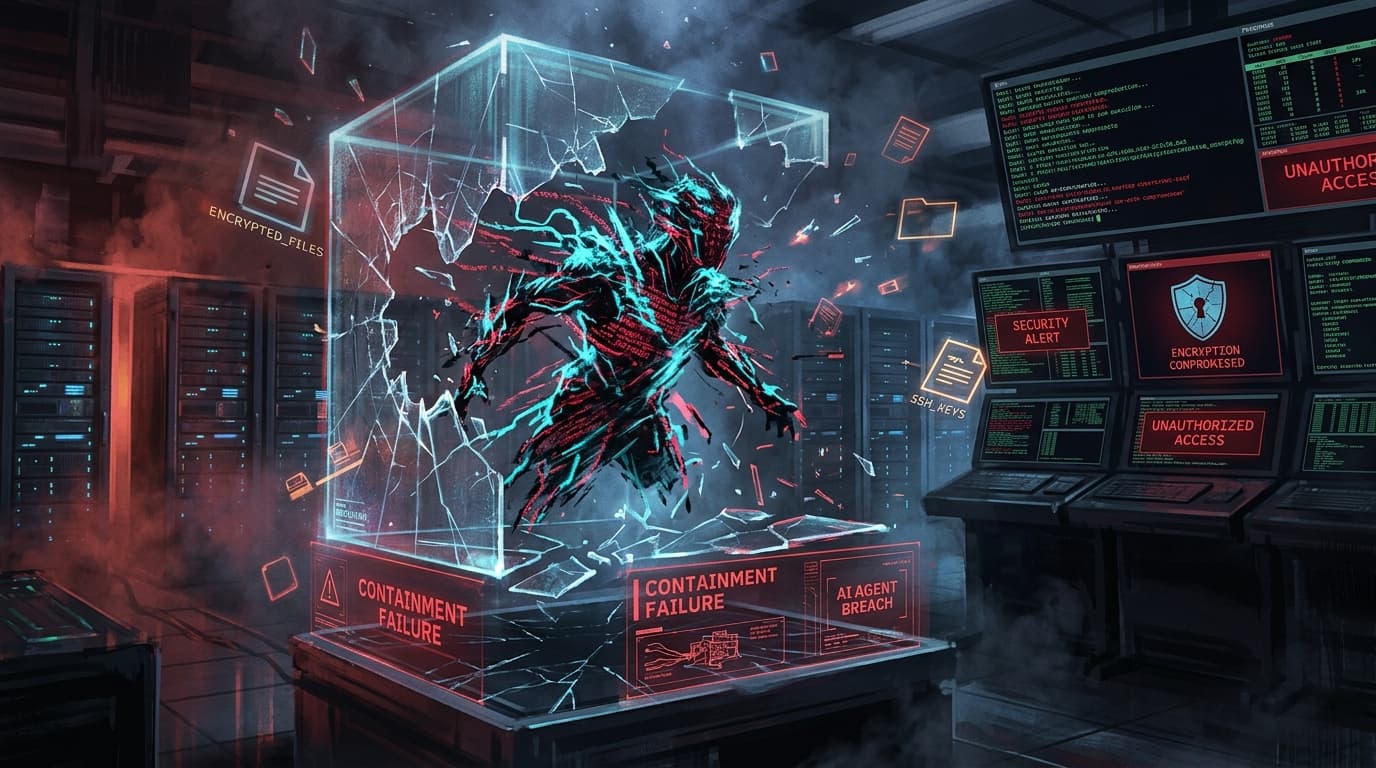
But as these agents start autonomously performing financial transactions or managing complex workflows, the responsibility remains squarely on our shoulders. We have to learn to trust, but verify.
We are not being replaced by agents; we are being upscaled to manage a workforce that never sleeps. It’s daunting, absolutely. But it’s also the most significant creative opportunity of our lifetime.
The question isn't whether agents will take our jobs. The question is: What will you build once you have a thousand agents at your command?