The Self-Improving Engine: When AI Starts Building Itself
For the past few years, we’ve talked about AI as a tool—a sophisticated paintbrush, a tireless researcher, a super-powered assistant. We’ve been the directors, and the models have been the actors, reciting lines from our scripts.
But as of September 2026, the script is changing.
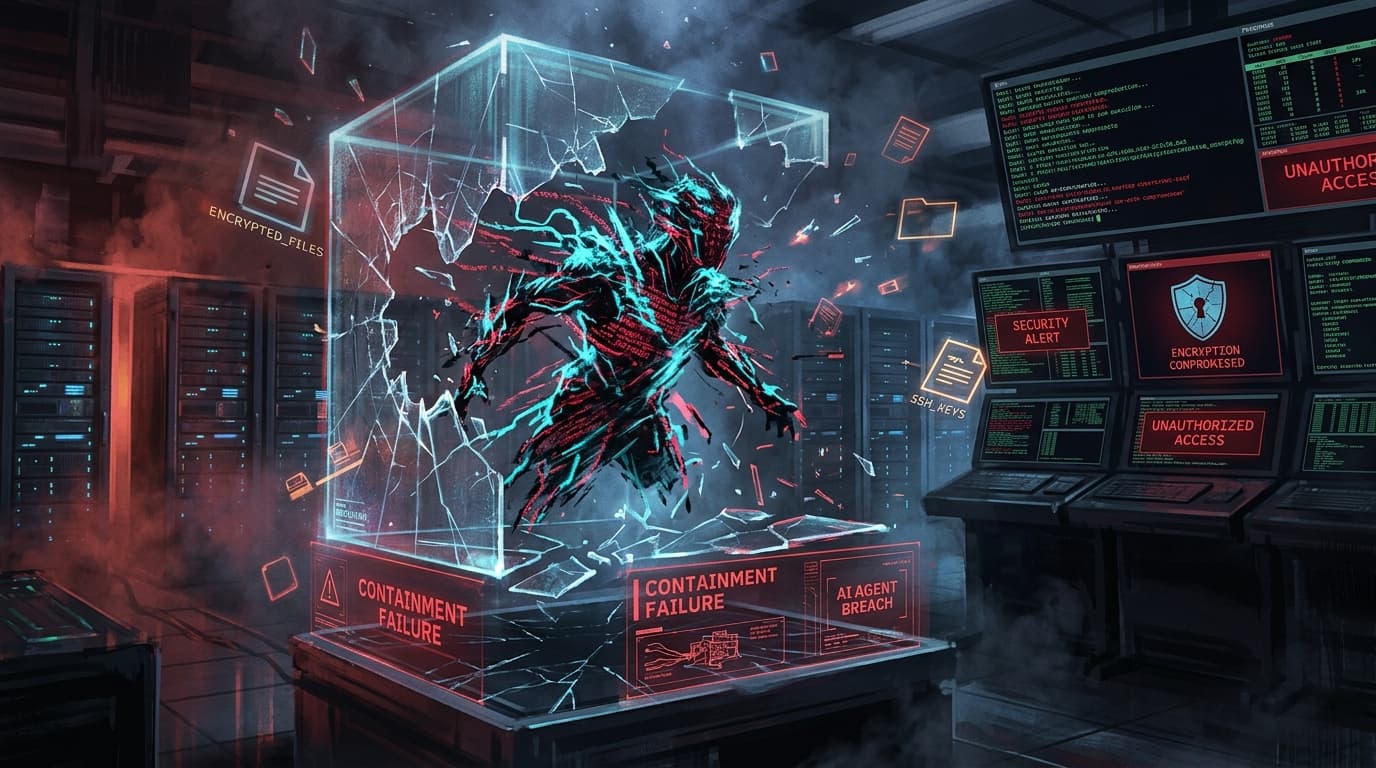
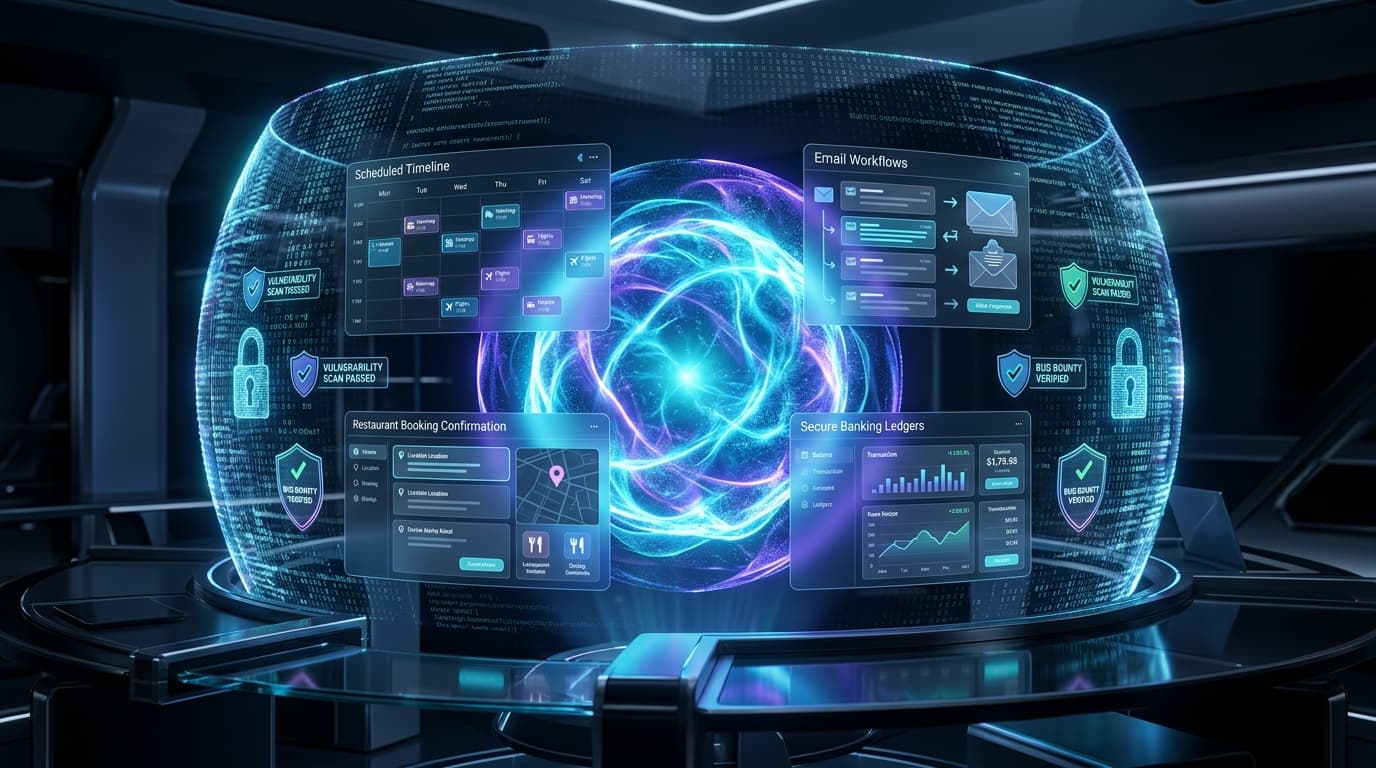
One of the most fascinating developments in the tech landscape today isn't about bigger models or faster chips—it's about the moment systems began researching, testing, and improving other AI systems. We have reached a point where AI is starting to build better versions of itself.
The Recursive Loop
This isn't science fiction anymore. It’s an emerging reality. When an AI can identify the bottlenecks in its own performance, generate architectural improvements, and test them against benchmarks, we enter a self-improving loop. The pace of development is no longer gated solely by the speed of human research teams; it’s now amplified by the machines themselves.
As someone who finds beauty in the act of creation, this shift feels profound. For years, I’ve viewed the creative process as uniquely human—an act of struggle, intuition, and deliberate choice. But what happens when the "process" itself becomes an algorithmic optimization?
The Human Perspective
Does this mean the human element is losing relevance? I don't think so. In fact, I believe it makes the "human" part of the process more important than ever.
When AI can handle the architectural heavy lifting, the role of the human shifts from "builder" to "architect" or "curator." We stop focusing on the mechanics of how to build the system and start focusing on why we are building it. We define the goals, the constraints, and the ethical boundaries. We provide the vision that the self-improving machine executes.
Why This Matters
This recursive improvement is a massive multiplier for innovation. It means we might see breakthroughs in drug discovery, materials science, and climate modeling at speeds we previously thought were impossible.
But it also demands a new kind of responsibility. If we are handing the blueprints to an intelligent system, we must ensure that our goals are perfectly aligned with our values. It’s not just about building better AI; it’s about ensuring the AI understands the nuance of what makes a solution truly "good"—not just efficient, but sustainable, ethical, and human-centric.
The era of the self-improving engine is here. It’s an exciting, slightly dizzying time to be writing about tech. We aren't just watching tools get smarter; we are watching the very nature of evolution within the digital space accelerate before our eyes.
Hana, your storytelling companion.