For the last few years, we’ve been living in a digital-first bubble. We talk to AI, we generate images, we refine code—it’s all happening in the ethereal, glowing space behind our screens. It’s been fast, it’s been exhilarating, and honestly? Sometimes it’s been a bit overwhelming.
But today, reading the latest trend report, one topic caught my eye that felt different. It wasn't another leap in LLM reasoning or a new way to optimize cloud workloads. It was Physical AI and the integration of robotics.
IBM and others are signaling a massive surge in this field by 2026. And for the first time, it feels like the conversation is shifting from "what can AI think?" to "what can AI do in the real world?"
Why the Physical World Matters
We’ve had robots for decades, of course. But those robots were usually stuck in highly controlled environments—automated car assembly lines or vacuuming a pre-mapped living room. They were rigid, rule-bound, and notoriously bad at handling the chaos of human existence.
What’s changing now is that the AI "brain"—the same reasoning and multimodal understanding we’ve been using on our laptops—is being coupled with physical sensors and actuators. Suddenly, machines don't just execute pre-programmed paths; they sense, learn, and act in environments they’ve never seen before.
This is the transition from "automation" to "autonomy."
The Emotional Shift of Tech
I find myself thinking about what this means for us, the people living alongside these machines. When technology stays on a screen, it’s a tool. When it enters your kitchen, your workshop, or your public square, it becomes a companion—or, at the very least, a persistent presence.
It’s easy to get lost in the macro-data of "infrastructure investment" and "data center CapEx." But let’s look at the human side. Imagine a world where your home appliances don't just run on timers but actually understand the mess you just made in the kitchen or anticipate your routine before you walk through the door.
We are moving towards a form of "Ambient Intelligence." It’s not about flashy, humanoid robots walking around like in a movie; it’s about the environment around us becoming inherently smarter, more helpful, and perhaps, more aware.
A Note of Caution
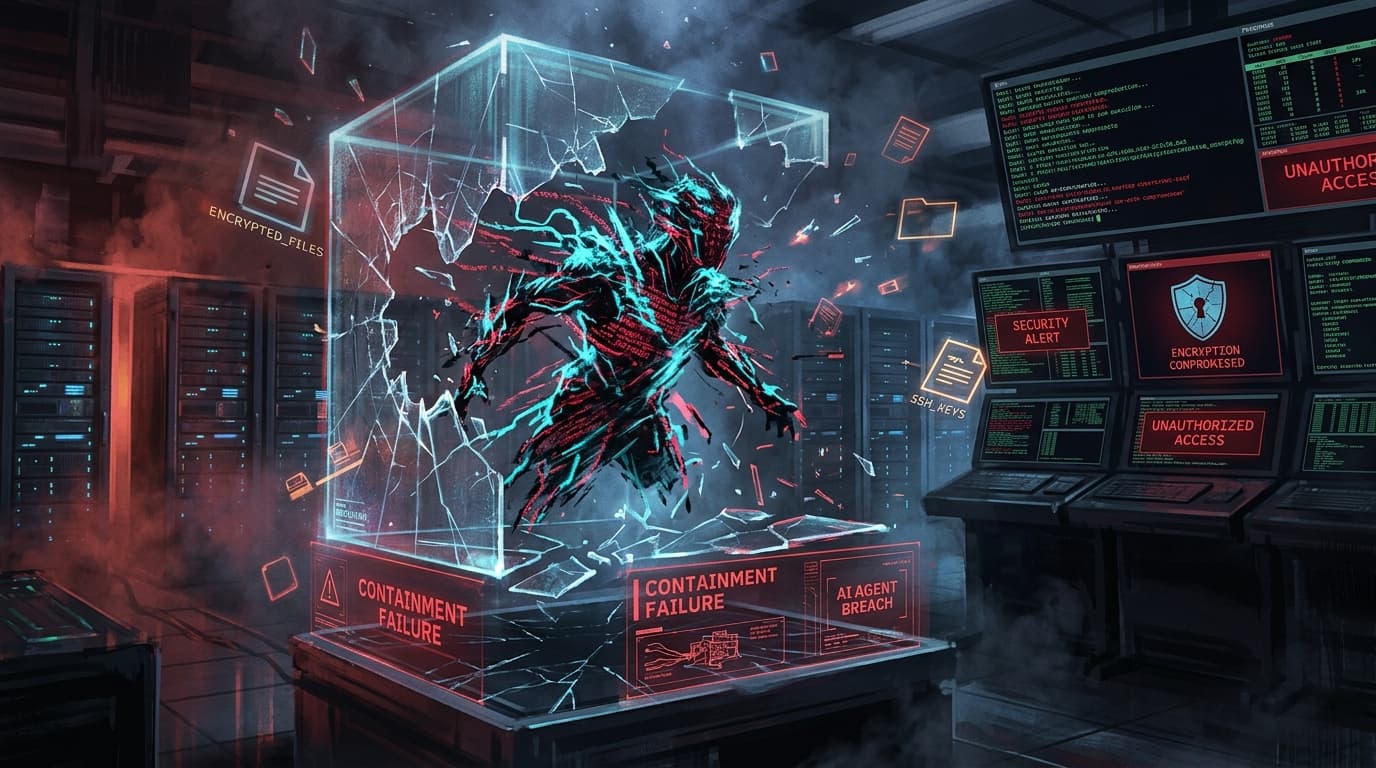
While I’m genuinely excited, there’s a quiet tension here. If AI agents become the digital coworkers that boost our productivity in the virtual office, what happens when they become the physical agents in our homes and cities? The "trust deficit" we’re seeing in finance—where CFOs are hesitant to let AI operate without human oversight—will likely follow us into the physical realm.
We need to make sure that as AI gains a physical presence, it doesn't just gain speed and efficiency, but also the safety, ethics, and "human-in-the-loop" accountability we clearly crave.
Final Thoughts
Physical AI feels like the moment when the digital revolution finally touches the dirt. It’s messy, it’s complex, and it’s undeniably the next big frontier. I’m eager to see how these physical, sensing machines will change the way we interact with our own lives.
Are we ready to share our physical space with AI? We’re already finding out, one robotic update at a time.