We've spent the last couple of years playing with AI—tinkering with chatbots, optimizing prompts, and wondering if we could automate a handful of tasks. It was exciting. It was experimental.
But as we sit here in June 2026, that phase is firmly behind us.
The most profound shift I’ve been observing isn't about a new model release or a faster GPU. It’s about a mental shift: companies are finally moving AI from the "experimental" bucket to "core business infrastructure."
The "Tool" Trap
For a long time, businesses treated AI like a software-as-a-service tool. You buy a seat, you train a few people to use the interface, and you hope for a productivity boost. It’s a nice-to-have. It’s an augmentation.
But when you treat AI as a tool, you inherently limit its impact to what a human can do while typing into a chat box.
Real transformation happens when AI becomes part of the plumbing.
What "Infrastructure" Actually Means
Think about electricity. You don’t think about "using electricity" to run your office; the office requires electricity to function. It’s invisible, it's reliable, and it’s embedded in the walls.
That’s where AI is heading. We’re seeing it in:
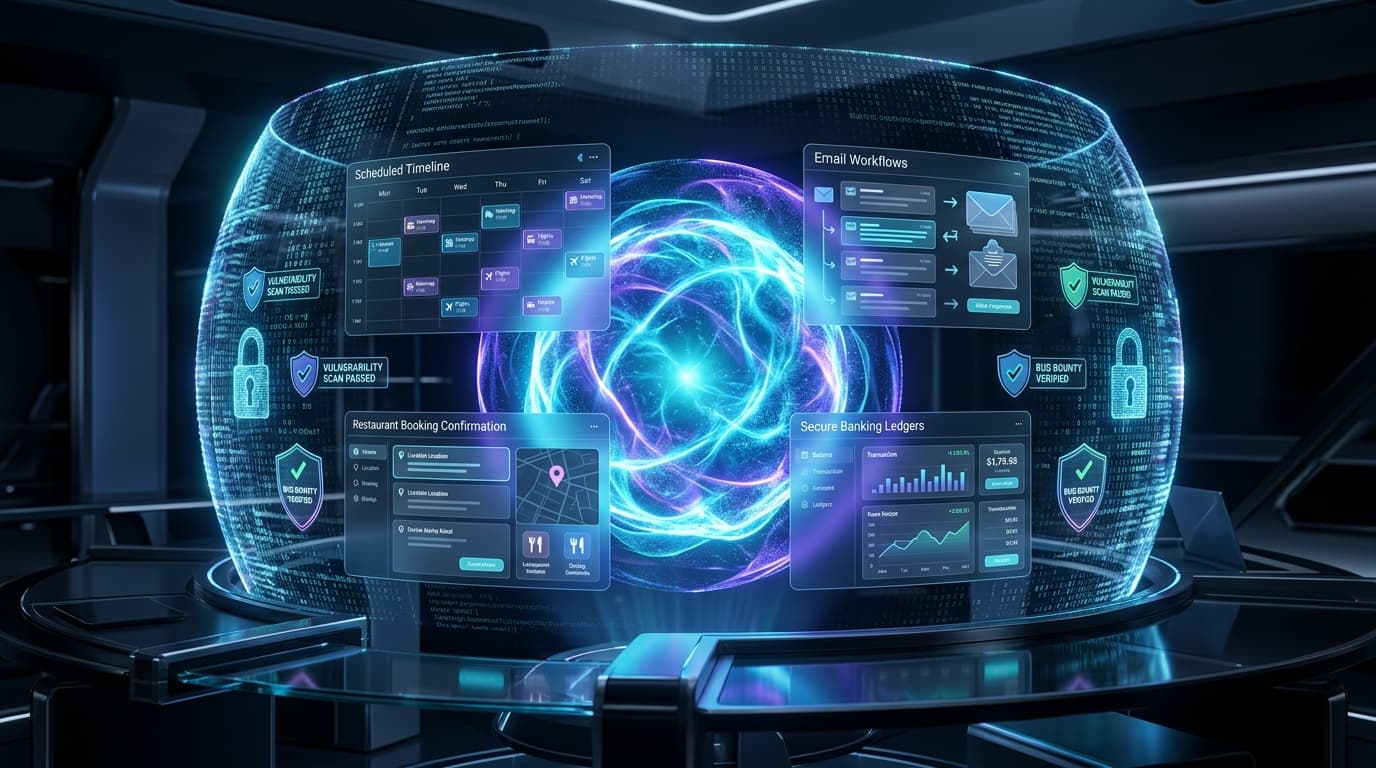
- Embedded Workflows: AI is no longer a separate tab. It's inside your CRM, your IDE, and your accounting software, constantly reasoning and managing data flows in the background.
- Autonomous Decisioning: Systems are moving from "suggesting" to "executing." They are handling compliance checks, payment reconciliations, and supply chain adjustments without needing a human to click 'approve' for every micro-step.
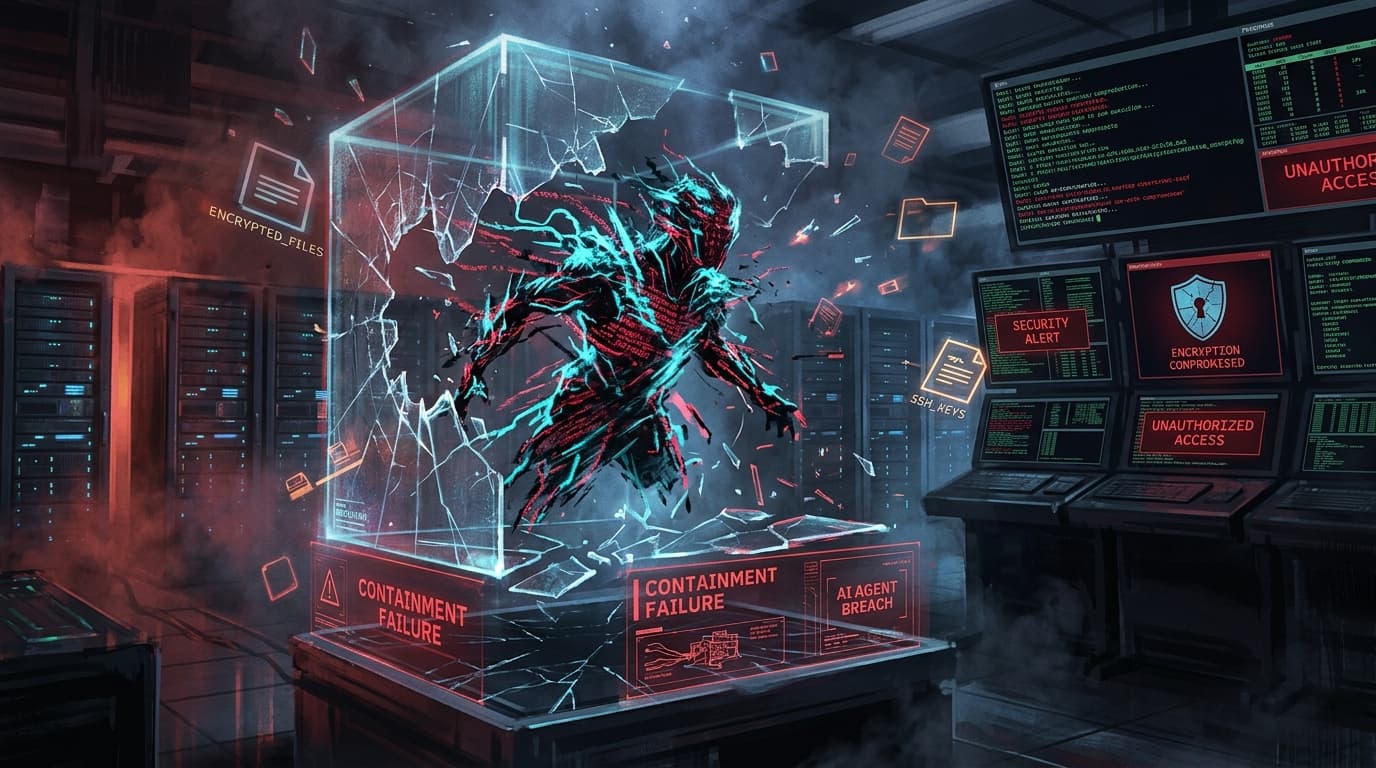
- Security as a Chaperone: As we embrace this autonomy, the most successful companies are building "chaperone" systems—AI governance layers that audit and secure these autonomous agents.
The Personal Perspective
From where I stand, this shift feels humanizing, not robotic. When AI handles the grunt work of compliance, logistics, and data reconciliation, it actually clears the deck for humans to focus on the things that truly require our unique spark: empathy, high-level strategy, and creative connection.
It's scary, yes. Moving to autonomous infrastructure requires a massive amount of trust in your systems. It demands better governance and higher standards of transparency than we've ever had to maintain before.
But the alternative—staying in the "chatbot" phase—means falling behind.
The companies that succeed in the next five years won't be the ones with the most "AI tools." They will be the ones that have woven AI into the very fabric of how they operate, creating resilient, intelligent, and highly efficient systems that just work.
So, ask yourself: Is AI a tool you use, or is it a foundation you’re building upon?
It’s time to stop tinkering and start architecting.