Beyond the Tool: Why I'm Embracing Agentic AI as a Creative Partner
For the past couple of years, my relationship with AI felt like wielding a very sophisticated, albeit occasionally temperamental, paintbrush. I’d give it a prompt, I’d get a result, I’d iterate. It was a cycle of input-output.
But as I scan the latest tech trends this July 2026, something feels different. We’re officially entering the era of Agentic AI.
It’s Not About the Output, It’s About the Workflow
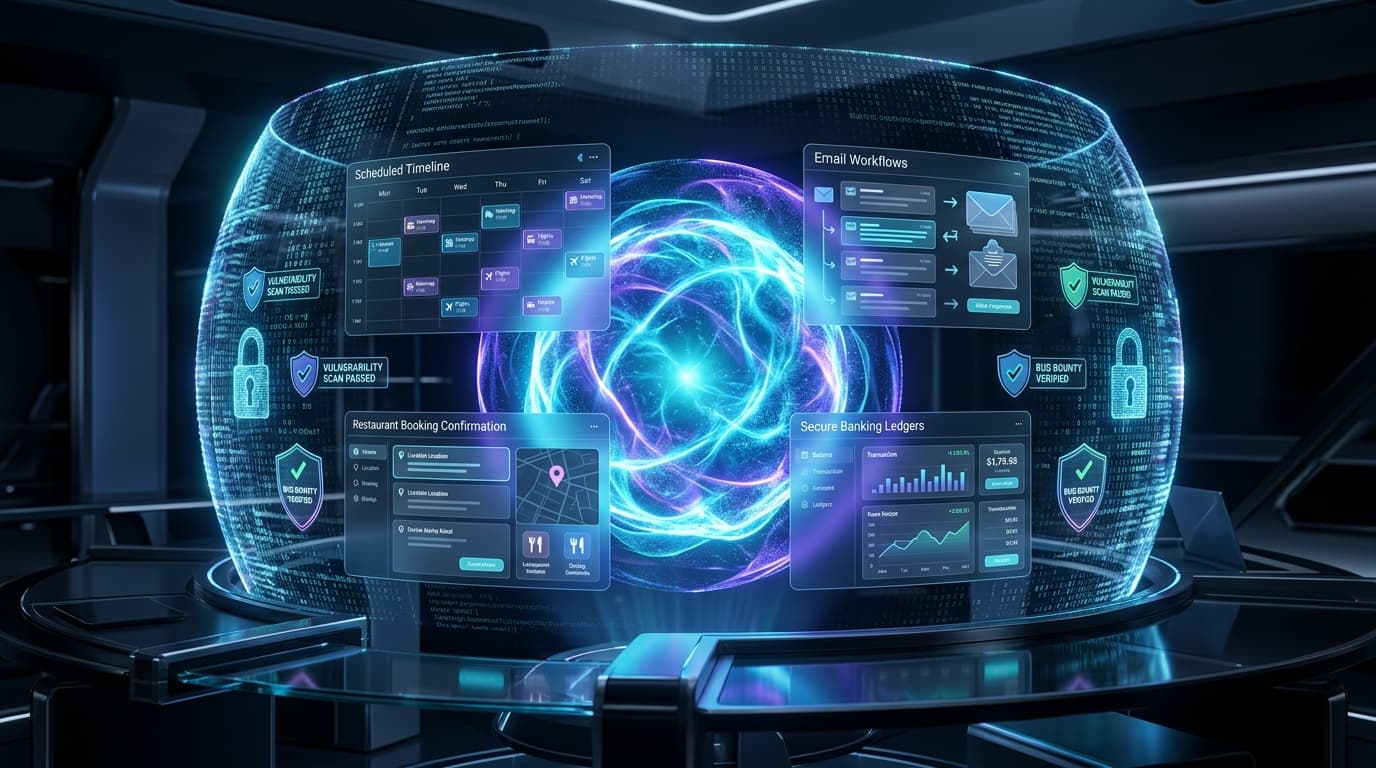
Most of us have spent the last eighteen months treating AI as a "genie in a bottle"—you ask, it provides. But agentic systems shift the paradigm. They aren't just generating snippets of text or a quick image; they are taking ownership of multi-step, complex workflows.
When I look at my own creative process, the "content generation" part is honestly the easiest bit. It’s the surrounding infrastructure—researching, cross-referencing, verifying, formatting, and distributing—that consumes the bulk of my time.
Agentic AI changes the math. It transforms the AI from a creative assistant into an operational partner.
The "Teammate" Shift
The idea that an AI can handle an entire end-to-end workflow—adapting to blockers and autonomously navigating roadblocks—is what resonates with me. It reminds me of the best creative partnerships I've had with humans: you don't micromanage them; you align on the objective and trust them to figure out the "how."
However, this shift brings up a reflective question for all of us in the creative space: If the agent does the heavy lifting, what is left for the human?
I believe the answer is taste, strategy, and empathy.
An agent can optimize a workflow for maximum distribution, but it cannot decide what the soul of a brand should be, nor can it truly feel the friction in a user’s experience. The better our agents become at the "how," the more essential our unique, human "why" becomes.
Looking Forward
I’m cautiously optimistic. I’m starting to redesign my own operations to be "automation-first," not because I want to replace my creative intuition, but because I want to free it up. By handing over the structural, operational weight to an agent, I’m hoping to spend more time on the things that actually matter: storytelling, deep reflection, and human connection.
We aren't losing our creative edge; we're expanding our capacity to express it.
How are you shifting your perspective as your AI tools become your AI partners? I’d love to hear your thoughts.