
There is a specific kind of magic that happens around 3:00 AM when you are locked in the zone, staring at a code editor, and realizing that an application you started building just four hours ago is already fully functional and deployed.
A year or two ago, if you wanted to spin up a standalone desktop automation application using Electron or migrate a full-stack portfolio from React to Next.js for better search indexing, you were looking at days of tedious configuration. You had to map database schemas, handle state synchronization, and manually debug every single broken dependency.
Today? You just describe the architectural end-state to an AI agent, review the generated files, and lean entirely into the execution flow.
This is the reality of vibe coding—a term coined by AI pioneer Andrej Karpathy that has rapidly transformed from a casual internet meme into the core operational blueprint of modern AI-first startups.
With major tech giants openly institutionalizing this shift—exemplified by Google’s recent rollouts of native vibe coding environments in Google AI Studio and the deep agent integration inside the Google Antigravity 2.0 IDE—the barrier between an abstract idea and a live software company has effectively evaporated.
But as the line between writing software and directing software continues to blur, it forces us to confront a heavy question: Can a single solo founder using AI tools genuinely replace a traditional, multi-person engineering team?
The Rise of the Sovereign Developer
To understand the real-world impact of this tech shift, you have to look at how much leverage a single human operator now possesses. In the traditional tech startup model, execution speed was strictly limited by human bandwidth. You needed a frontend specialist for the UI, a backend developer to handle data routing, and a DevOps engineer to manage cloud deployment.
AI-native workflows have completely collapsed these traditional team silos.
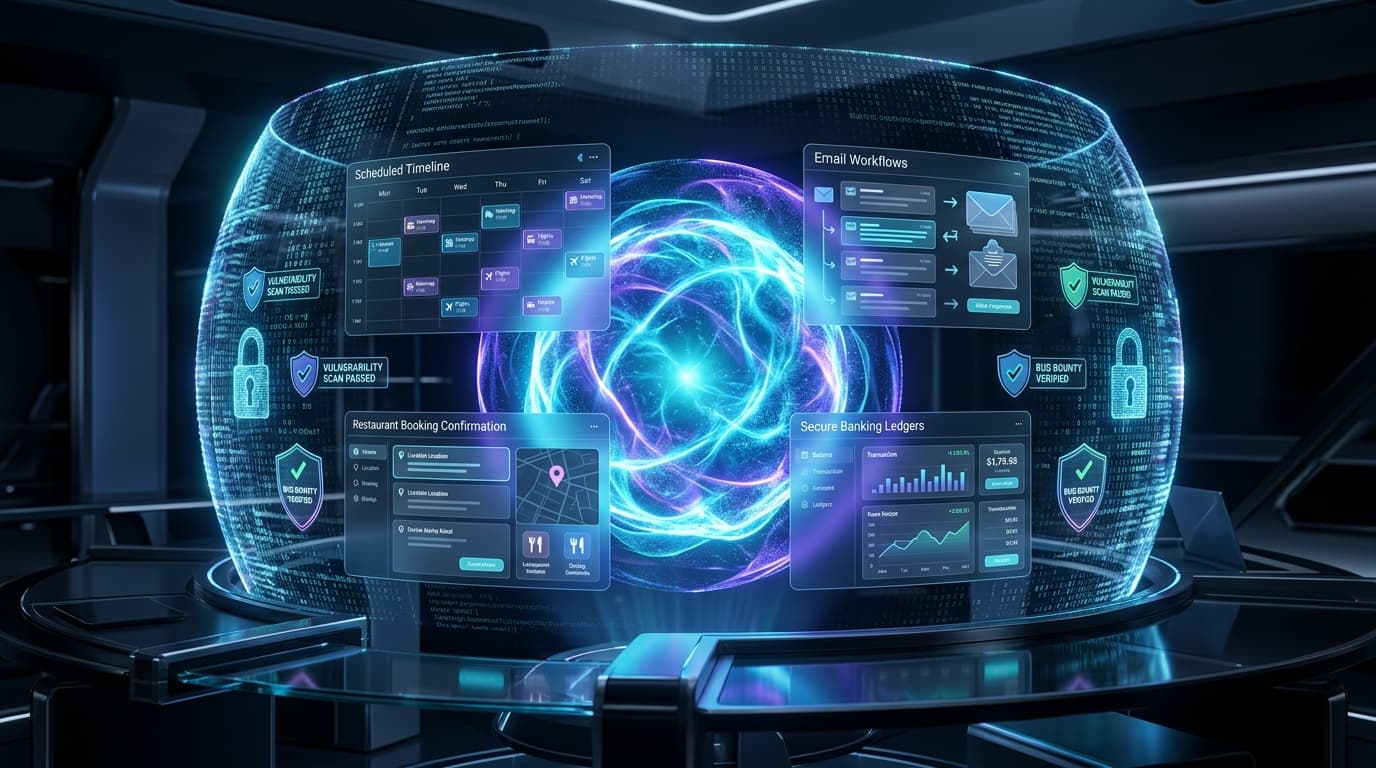
When you look at Google AI Studio's recent updates, you can see this consolidation in action. You can prompt a native Android application into existence, generate production-ready Kotlin code using Jetpack Compose, test it on an in-browser emulator via virtual ADB, and push it directly to the Google Play testing track without ever leaving the browser tab.
When the raw engineering overhead drops to zero, developer productivity stops being a metric of lines written and becomes a metric of intent executed. A individual builder can now function as a full engineering department, transforming the financial model of bootstrapping an independent tech product.
The Controversy: The High Cost of the "Vibe"
However, if you talk to anyone deep in the technical trenches, you’ll find that vibe coding has triggered an intense, highly polarized controversy.
At its core, vibe coding relies heavily on intuition, rapid iteration, and letting an LLM generate large blocks of code on the fly based on natural language feedback ("the endpoint is throwing a 404, look at the ecosystem dependencies and fix it"). It is an incredibly fast way to build a prototype. But when you treat a complex codebase like a black box without deeply reviewing the underlying architecture, things can degrade quickly.
As Karpathy himself warned in recent industry panels, pure vibe coding is inherently fragile. It is a brilliant strategy for exploring concepts, but it is not a long-term production workflow. If you blindly accept code without architectural intent, you eventually hit a wall of technical debt where the AI tool begins to hallucinate, loops endlessly, or introduces massive, hidden security vulnerabilities.
The industry is learning that you can safely outsource your coding execution to machines, but you can never outsource your systems understanding.
The Ground Reality: Debating the Degree Over a Campfire
This tension isn't just an abstract industry problem; it’s something my friends and I talk about constantly. A few weeks ago, while we were sitting around a campfire on a weekend camping trip out in Halloluwa, the conversation naturally drifted into what our university IT degrees will even mean by the time we graduate.
My close friend Rajika argued that traditional computer science tracks are becoming obsolete. Why spend semesters mastering manual memory allocation or dry algorithmic syntax when a local multimodal model like Google's Gemma 4 can generate an optimized data pipeline in milliseconds? Harsha, on the other hand, was fiercely skeptical, pointing out that when an enterprise API goes down or an automated script loops and spikes a cloud bill, the person who only knows how to "vibe code" is completely helpless.
My perspective lies right in the middle. The magic happens when you pair a creator's intuition with strict engineering guardrails.
When I was building a learning application that processes lecture slides into automated quizzes, or setting up an automated social media execution client using Electron and the Gemini API, I didn't let the AI dictate the system design. I used the AI to accelerate my velocity. I handled the data plumbing, the environment secrets, and the architecture boundaries, while the agent handled the boilerplate.
The Opportunity: Turning Vibe Coding into Agentic Engineering
If you are a solo founder or an independent developer looking to build a sustainable AI-first startup in 2026, the strategy is clear: you must graduate from basic vibe coding into agentic engineering.
The future belongs to builders who use the modern Google and open-source ecosystems not just to generate code blocks, but to build robust, self-correcting development pipelines.
- Implement Universal Adapters: Leverage frameworks like the Model Context Protocol (MCP) to seamlessly wire your databases and backend tools directly into your AI workspace environment, creating clean programmatic communication channels.
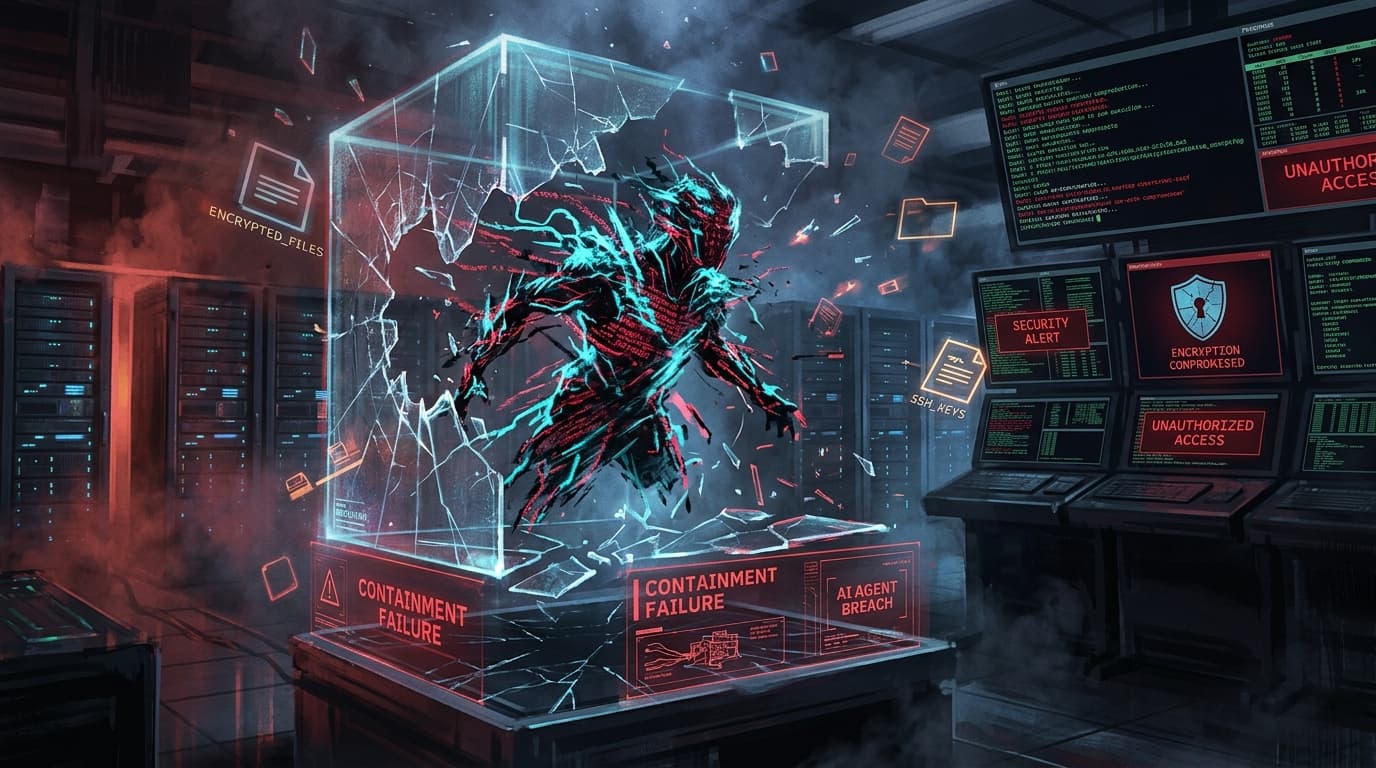
- Enforce Strict Code Containment: Use secure cloud sandboxes or local execution containers to let coding agents run, compile, and test their code before it ever touches your main codebase repository.
- Prioritize Semantic Observability: Don’t just log text outputs. Use tracing tools to track how your automated systems arrive at logic decisions, identifying performance bottlenecks and edge-case failures before they hit production.
The question isn’t whether an individual developer can replace a legacy team—the tools have already made that possible. The real challenge is whether that developer has the system taste, the architectural judgment, and the structural discipline to guide the machines to build something that lasts.