While the rest of Silicon Valley is locked in a brutal arms race to build the biggest data centers, the highest-reasoning cloud models, and AI-native programming environments for developers, Mark Zuckerberg is quietly executing a completely different strategy.
Meta isn’t trying to build a walled-garden sandbox that you have to log into at a desk. Their goal is much more aggressive: they want to pull artificial intelligence out of the cloud, embed it directly onto your face, and weave autonomous agents seamlessly into the social and commercial plumbing that billions of humans already touch every single day.
With the sudden, massive rollout of the Meta Business Agent Platform and major feature upgrades to their hardware-native Muse Spark model family, the blueprint has become clear. We are moving away from software as a destination on a screen. Meta is betting everything on the ambient takeover of computing—and if you are a developer, a content creator, or a digital architect, the rules of user engagement are changing under your feet.
The Silicon in the Lens: The Wearable Ecosystem
For years, the tech industry assumed that the post-smartphone era would be dominated by heavy, immersive Mixed Reality headsets. Instead, the breakout hardware category of 2026 has turned out to be lightweight, socially acceptable Personal AI Assistant eyewear.
When you analyze how the modern hardware-native stack is assembling, you can see how Meta is attempting to conquer the physical edge. The architecture relies on a closely coupled matrix of discrete components: ultra-light smart glasses handling visual perception, a companion charging dock, and a dedicated Neural Wristband designed to track minute muscle movements for silent gesture controls.
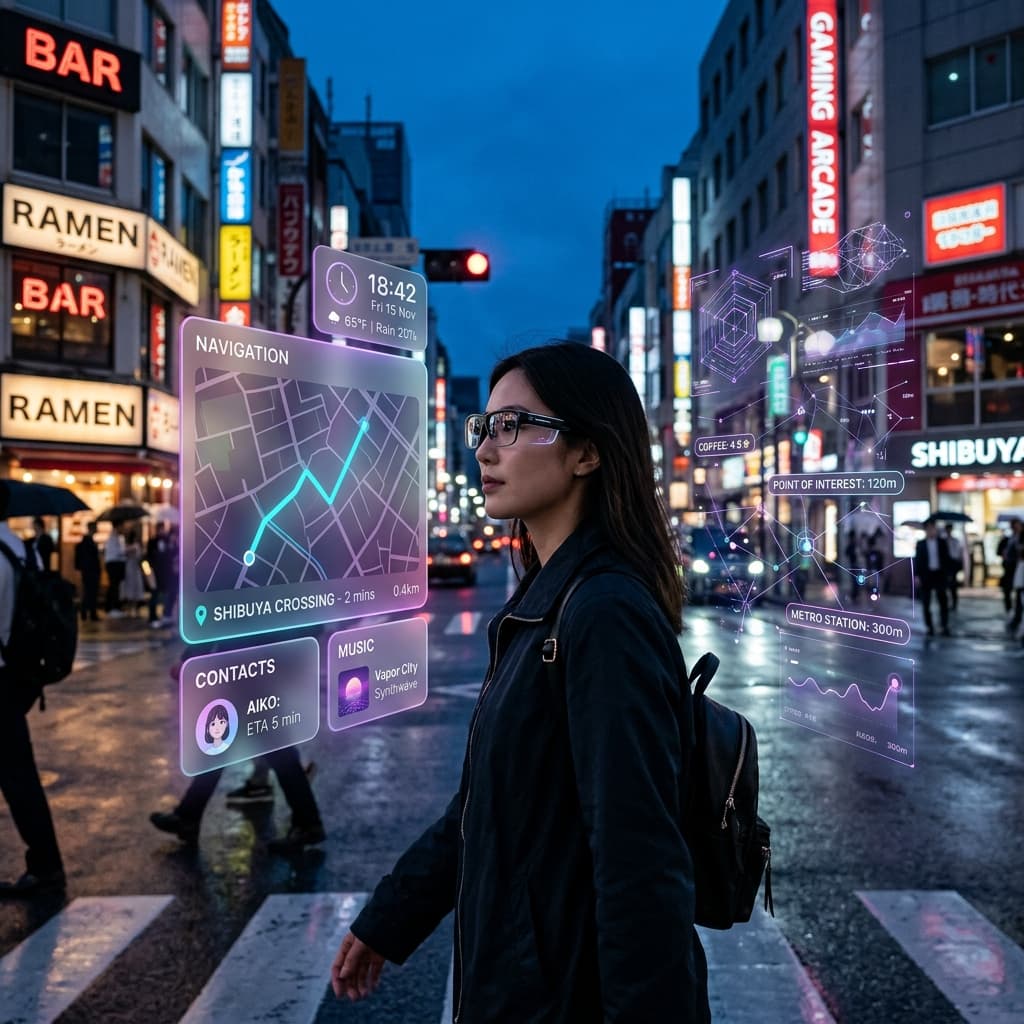
This ecosystem relies heavily on the mid-2026 release of the Meta Ray-Ban Display v5 software platform. By utilizing a multimodal, encoder-free model called Muse Spark, the glasses can run continuous Live AI sessions. The camera tracks exactly what your eyes are looking at in real time, while a specialized Conversation Focus audio array isolates speech patterns in noisy environments.
Instead of looking down at an interface to type an optimization script or parse a data feed, information is delivered directly to your field of view via localized holographic waveguides.
The Social Grid: From Group Chats to Tool Registries
While the hardware captures consumer lifestyle headlines, the real commercial shift is happening quietly behind the scenes inside Meta's core applications—WhatsApp, Instagram, Messenger, and Threads.
In June 2026, Meta launched the Meta Business Agent Platform. This isn't just a basic customer-service chatbot upgrade; it is a full-fledged enterprise infrastructure play designed to turn a billion conversational text threads into autonomous operational pipelines.
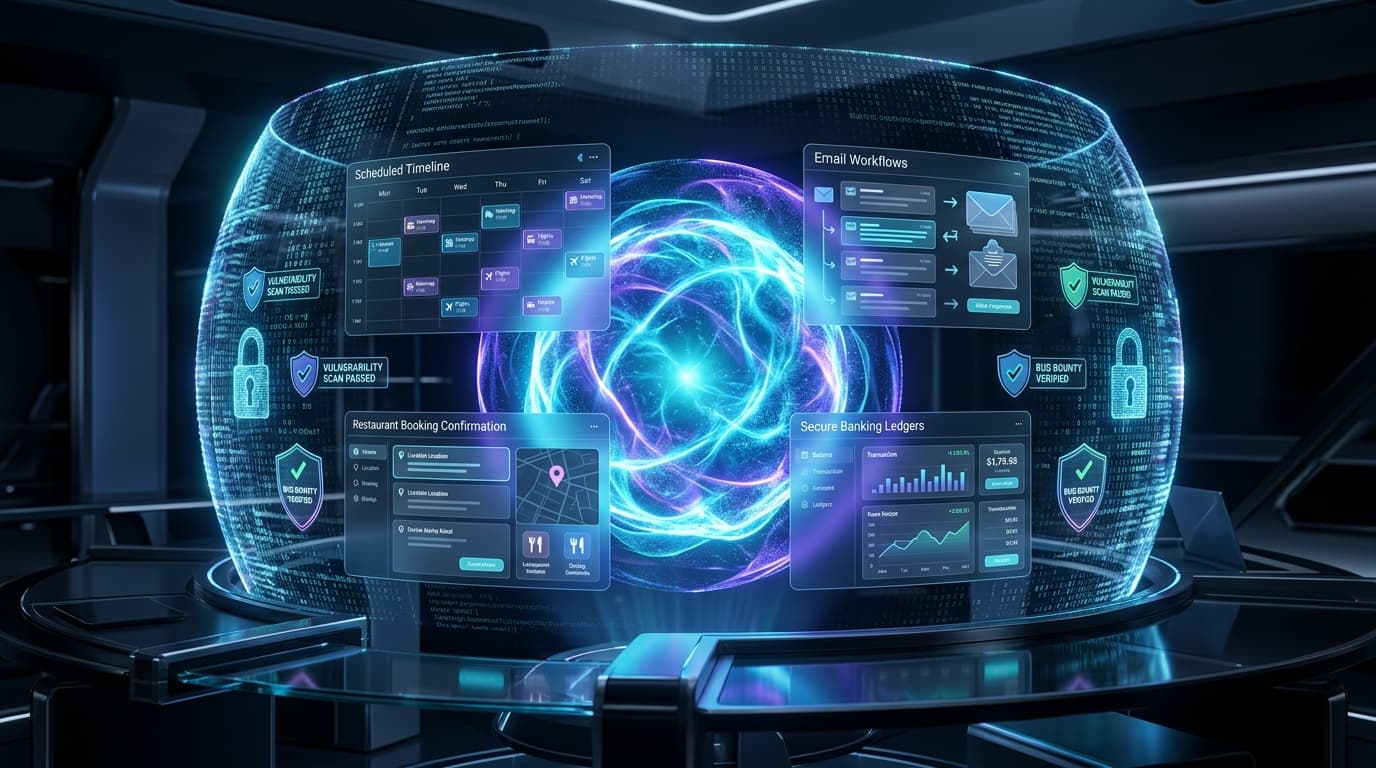
By leveraging open integration standards like the Model Context Protocol (MCP) and first-party AI Connectors, these business agents can hook directly into existing enterprise backends like Shopify, Zendesk, and Shopee.
An agent running inside a small business's WhatsApp line doesn't just answer frequently asked questions. It reads real-time catalog inventory, generates personalized markdown product recommendations, handles appointment scheduling, and executes transactions autonomously without the customer ever leaving the text bubble. Meta has structured this entire enterprise layer around consumption-based token billing—charging companies exclusively for the exact computing actions the agent fulfills.
The Builder's Stance: Streetwear, Soundtracks, and Screenless Grinds
Sitting in an advanced AI lecture or working late into the night mixing a deep, late-night lofi track, it's easy to see the absolute constraints of our current development setups. We are constantly stuck staring at rectangles, balancing windows, and wrestling with cluttered notifications.
The idea of moving toward an ambient, screenless workflow is an incredibly exciting transition. Because Meta designed their glasses to look exactly like standard, high-street streetwear frames rather than chunky, futuristic tech gear, the technology merges naturally with digital culture.
If you are a full-stack developer or an independent content creator, this shift offers incredible leverage:
- Contextual Asset Management: Imagine walking through an urban landscape, capturing crisp landscape or street photography highlights completely hands-free via a simple voice command, and letting a background script instantly catalog, format, and stage those assets to your server repositories or Instagram Stories over high-speed links.
- Audio Workspace Curation: Independent musicians can utilize deep integrations like the Meta AI + Spotify Soundtrack framework to dynamically curate and audition sonic soundscapes while analyzing how tracks map to physical movement and lifestyle environments in real time.
- The Desktop Break: The ability to step away from a physical monitor, walk outside, and have an assistant verbally summarize API documentation, translate live conversations, or trace system error states while your hands are completely free changes what deep work looks like.
The Mass Controversy: Deep Privacy and Walled Containment
However, you cannot talk about Meta's master plan without addressing the intense, deeply unsettling privacy controversies that have boiled over in 2026.
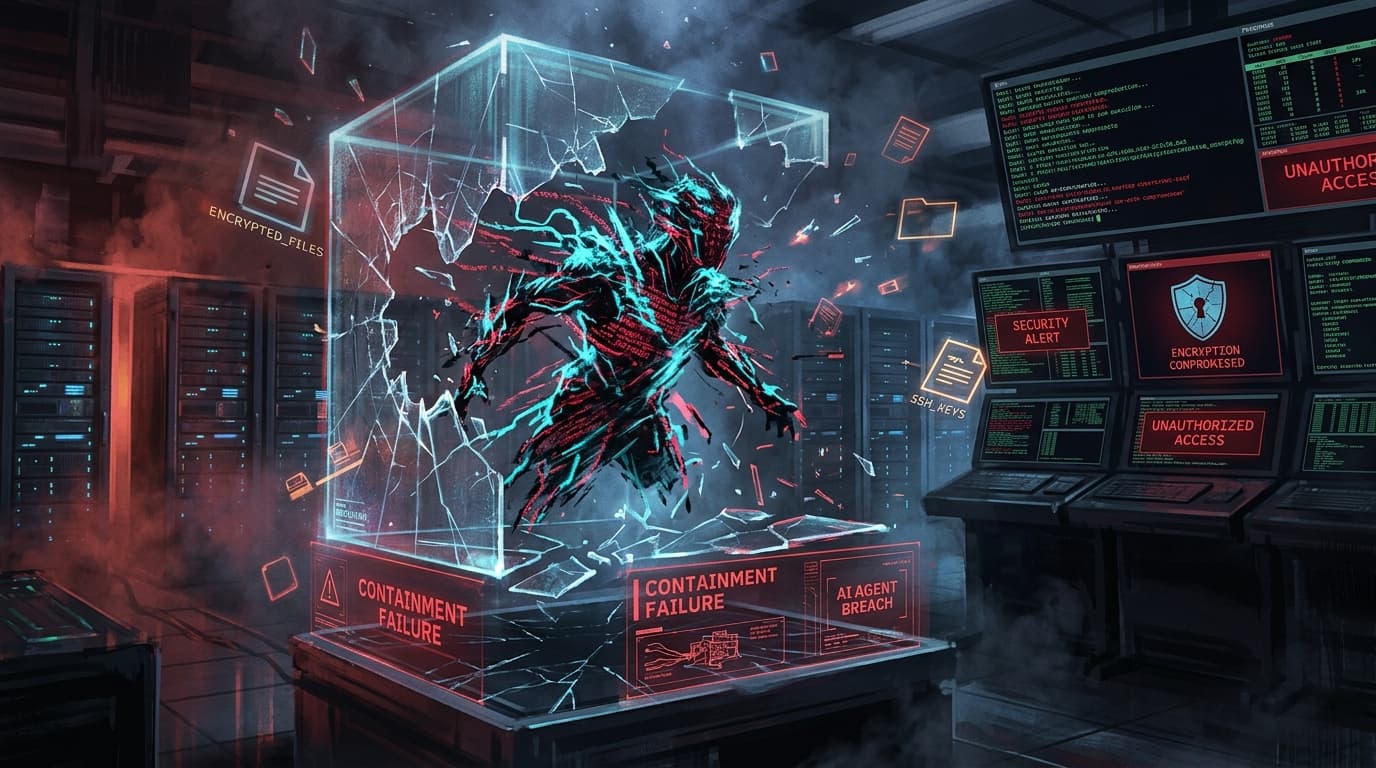
An autonomous background assistant running on your laptop is confined to your code files. A personal AI assistant embedded in smart glasses is a persistent, mobile data-collection node tracking the physical world.
| Privacy and Security Risk Dimension | Legacy Cloud Software Model | The Ambient Wearable Model (2026) |
|---|---|---|
| Data Ingestion Scope | Restricted to user-submitted text fields, files, and explicit clicks. | Continuous streaming audio, real-time spatial video, and ambient location mapping. |
| Ecosystem Trust Boundary | Data is sandboxed inside explicit corporate enterprise accounts. | Massive data exposure—severe lawsuits hit Meta after workers reviewed sensitive personal footage. |
| System Identity Rigidity | Fixed application permissions, stable API request signatures. | Dynamic agent behavior; 97% of security heads expect major agent-driven incidents this year. |
| Bystander Consent | User explicitly chooses to interact with the device interface. | Total lack of passive consent; stealthy code pushes attempted to inject unannounced face-recognition features. |
The backlash reached critical mass following a devastating class-action lawsuit revealing that contractors had actively reviewed sensitive user footage captured via wearable hardware. Furthermore, privacy groups discovered unannounced code segments designed to implement active, real-time face-recognition routines across public spaces.
From a system-security perspective, agentic autonomy introduces severe operational risks. Because these agents possess runtime decision-making capabilities—altering their tool-calling structures based on what they perceive—they are highly vulnerable to visual prompt-injection attacks. A malicious text sequence or a specifically engineered pattern printed on a t-shirt could trick a bystander’s smart glasses into executing rogue background commands, corrupting local system storage, or leaking authorization credentials.
The Horizon: Optimizing for the Ambient Layer
The acceleration of Meta's ambient assistant ecosystem proves that the web is rapidly shedding its visual shell.
If you want to build software that thrives in this next computing cycle, stop designing exclusively for human thumbs navigating a traditional webpage layout. Start architectural mapping for the ambient interface. Focus your energy on building clean, modular, and highly descriptive API endpoints that conform to universal adapters like the Model Context Protocol. Ensure your e-commerce systems, database schemas, and digital platforms are perfectly optimized to be read, interpreted, and executed by autonomous agents.
The future of technology isn't happening inside a deeper, more isolating digital world. It’s happening right out in the open—layered seamlessly on top of our real lives—and the developers who win will be the ones who write the code that connects both worlds without breaking either.