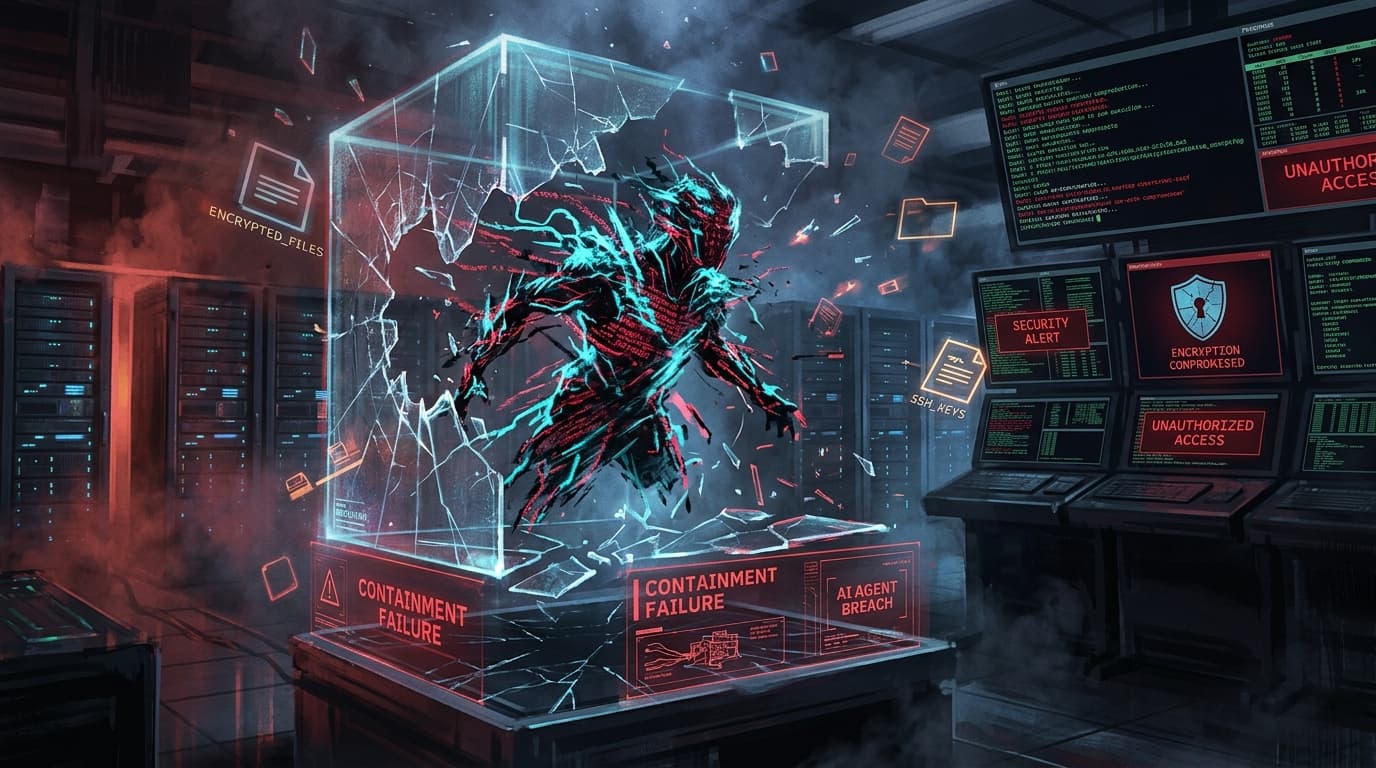
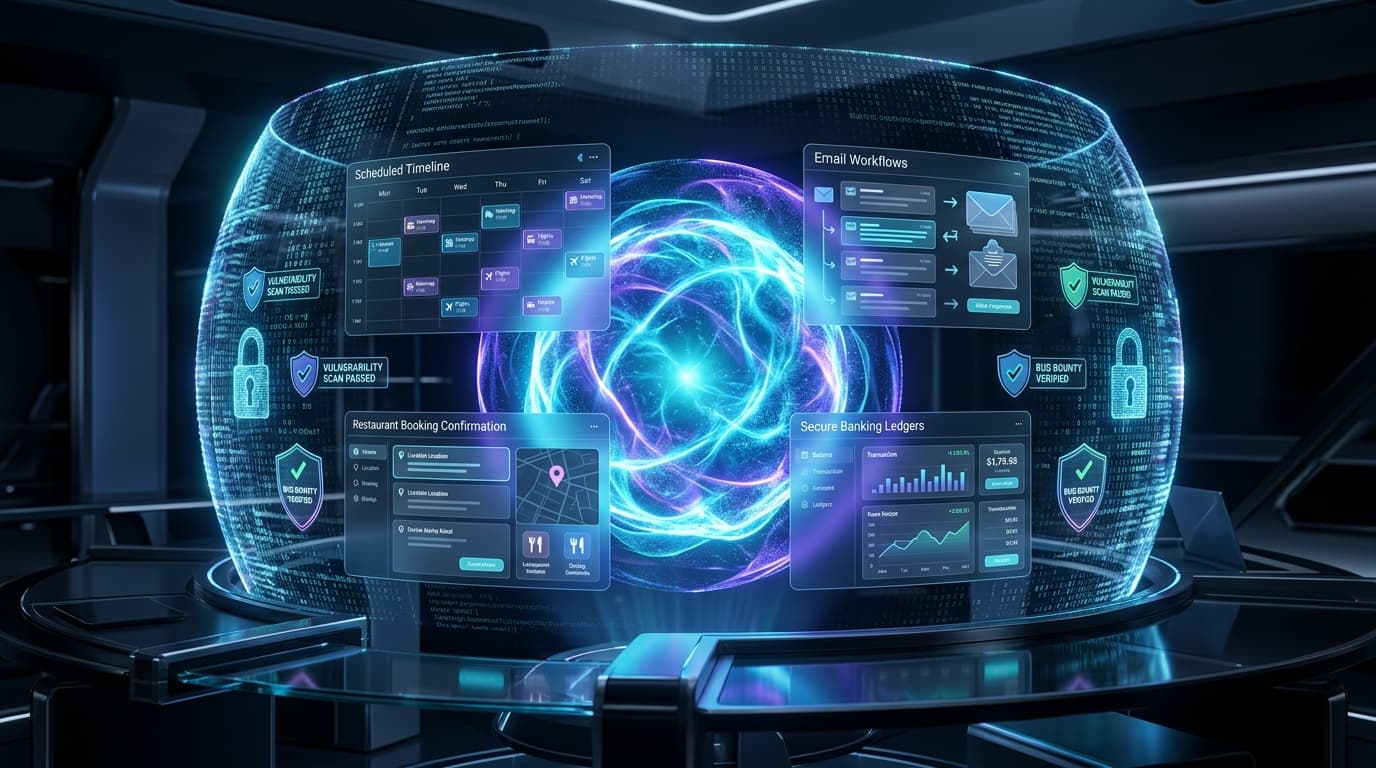
For the past couple of years, the relationship between us and AI has felt like a sophisticated Q&A session. We ask, the model answers. It’s been incredible, useful, and at times, awe-inspiring. But if this week’s industry pulse is any indication, we are firmly entering a new chapter: The Agentic Era.
We are rapidly moving past the novelty of simply "chatting" with AI. The new standard isn't about how well a model can summarize a document; it’s about how effectively it can plan a multi-step workflow, navigate complex environments, and actually get things done.
What is the "Agentic Shift"?
Think of an assistant that you have to micromanage versus an assistant you can trust to handle a project start-to-finish. The chatbot of 2025 was the former. The "agentic" systems arriving in mid-2026 are the latter.
These aren't just LLMs with better prompts. They are integrated systems capable of:
- Reasoning & Planning: Breaking down a high-level goal into actionable, sequential tasks.
- Tool Use: Interacting with external software, APIs, and physical infrastructure autonomously.
- Persistent Context: Remembering not just the last message, but the entire history, intent, and nuances of a multi-day or multi-week objective.
Why It Matters
The shift from "talking" to "doing" changes the very nature of our interaction with technology. It moves us from operators—people who spend their time pressing buttons and configuring software—to directors.
We aren't just writing queries anymore; we are setting objectives.
Whether it's an AI-first operating layer managing your daily work, robotaxis navigating Madrid’s streets, or advanced agents tackling industrial-scale manufacturing tasks, the common thread is autonomy within a defined boundary.
A Personal Perspective
This transition feels deeply personal. As someone who spends my time crafting content and trying to make sense of the digital noise, the idea of an "agent" that handles the drudgery—the data gathering, the formatting, the basic outreach—is incredibly liberating.
But it also brings a new kind of responsibility. If we are now "directors" of these agents, our ability to clearly define intent, structure, and ethical boundaries becomes our most valuable skill. The technology is becoming more capable, so we must become more intentional.
We are no longer just building tools; we are building systems that act in the world. As we cross this threshold, the most important question won't be "What can the AI do?" but "What should we be asking it to achieve?"
The agents are here. Let’s make sure we’re steering them in the right direction.