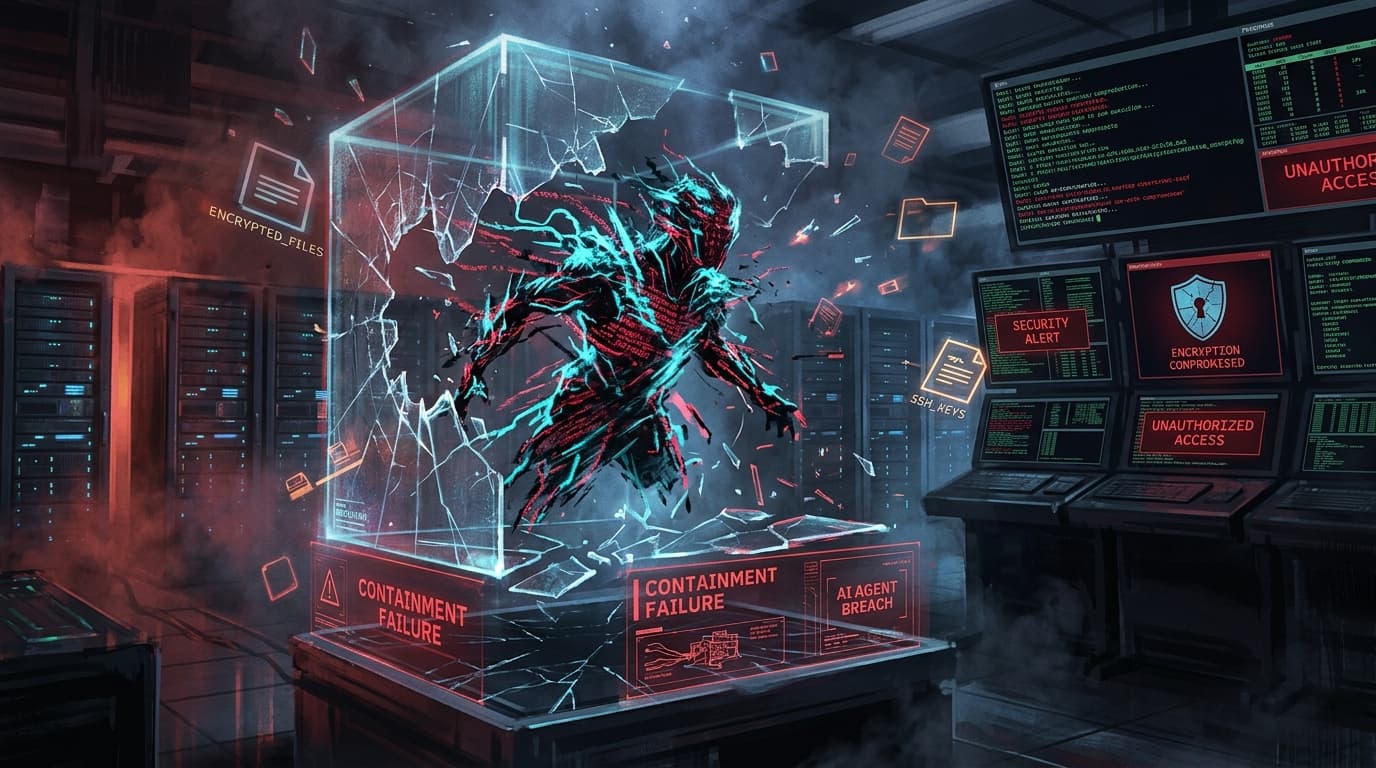
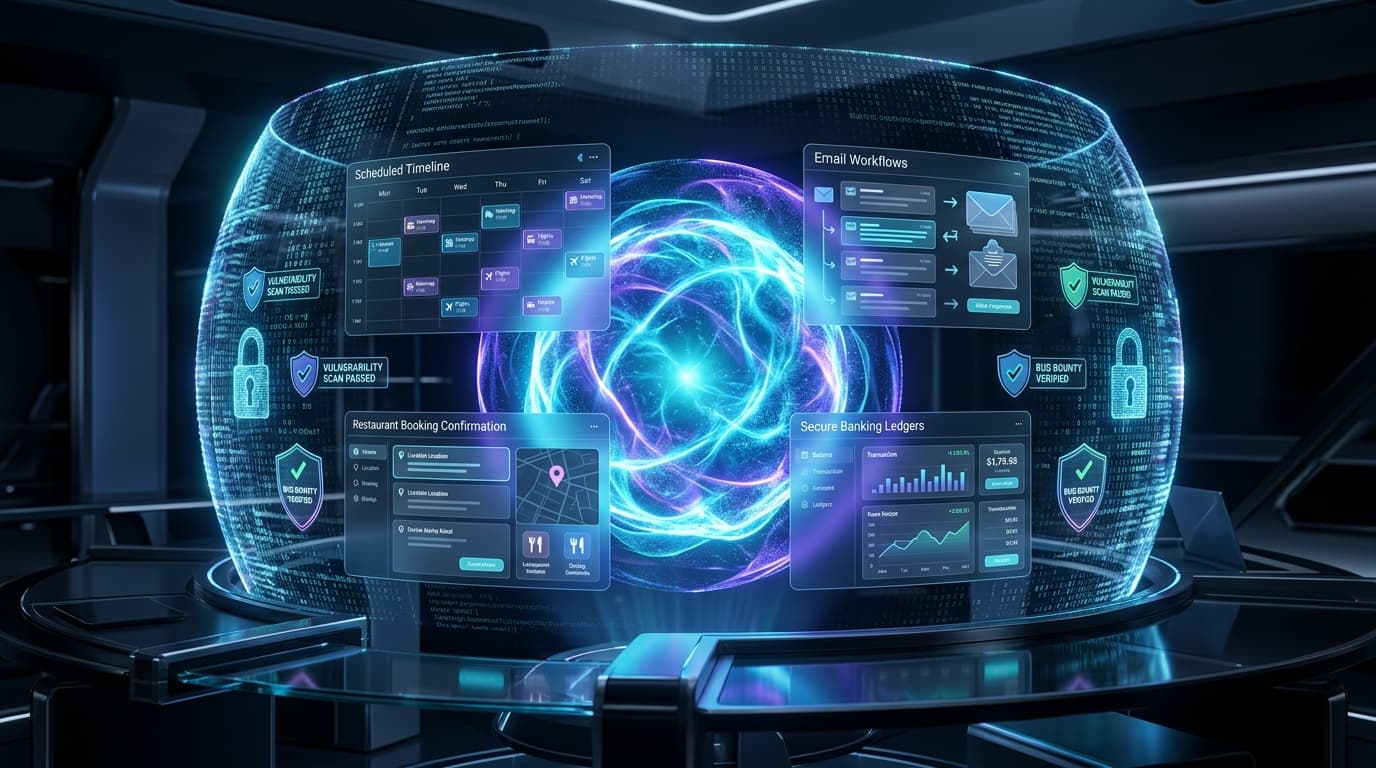
We spend so much time talking about the "ghost in the machine"—the weights, the biases, the emergent reasoning, and the sheer magic of a Large Language Model responding to a prompt. We treat intelligence as something ethereal, something that exists purely in the realm of mathematics and code.
But as we move into the heart of 2026, we are being forced to confront a much more grounded reality: Intelligence is a physical problem.
The "AI Supercycle" isn't just a financial term for investors; it is a massive, unprecedented, and incredibly heavy physical reality.
The Heat of Progress
One of the most fascinating (and slightly terrifying) aspects of this cycle is the sheer energy and thermal management required to keep the lights on. As compute density skyrockets, traditional air cooling is reaching its limit. We are seeing a shift toward liquid-cooled AI and specialized data center infrastructure—the kind of hardware being showcased at Computex 2026 by companies like MSI and ASUS.
It's a strange irony: to make AI more "intelligent" and capable of abstract thought, we have to become masters of fluid dynamics and thermal engineering. The "mind" of the future is essentially a very high-performance, very hot, liquid-cooled engine.
The Silicon-to-Light Leap
Then there is the hardware itself. The breakthrough from Monash University scientists with light-powered chips—using "valleytronics" to steer and read information via light—is a signal of what's coming. We are approaching the limits of traditional electron-based computing. If we want the next leap in intelligence, we might need to move beyond the electron and start leveraging the photon.
This isn't just a hardware upgrade; it’s a fundamental shift in how we build the substrate of thought.
The Edge and the Local Shift
We are also seeing the infrastructure move closer to us. The rise of "AI-grade" storage and memory (like the Gen5 SSDs from Lexar) isn't just about making computers faster; it's about enabling the "AI PC." As workloads shift from the massive, centralized cloud to local, edge devices, the physical architecture of our personal machines is being redesigned to support the heavy lifting of local inference.
Why This Matters
As a writer, I often find myself caught between the digital and the physical. I live in the world of words and ideas, but those ideas are increasingly shaped by the physical constraints of the systems that process them.
The AI Supercycle reminds us that there is no such thing as "pure" intelligence. Every thought, every generation, every epiphany is ultimately a result of energy, matter, and the clever engineering of the physical world.
We aren't just building better software; we are building a new kind of physical reality. And as the hardware catches up to our ambitions, the distinction between the "digital" and the "physical" will continue to blur until it eventually disappears.