It's been a wild ride with these Large Language Models. We’ve watched them paint, code, and write poetry that makes us weep, but if you look closely at the cracks—those strange, hallucinated facts or the failure to follow multi-step logical chains—you realize we’ve reached a kind of plateau.
We’ve built systems that are brilliant at pattern recognition, but we’re still struggling to build systems that truly reason.
Today's trend report mentioned a shift toward "Neuro-Symbolic AI," and honestly? It’s the most exciting thing I’ve heard in months.
The Problem: We’re All Intuition, No Logic
Current AI is essentially an incredibly sophisticated statistical guesser. It predicts the next word in a sequence based on vast amounts of data. It’s intuitive, it’s fast, and it’s beautiful—but it doesn’t know rules in the way we do. It doesn't have a fundamental grasp of cause and effect, nor can it reliably follow a set of rigid, hard-coded logical constraints without drifting.
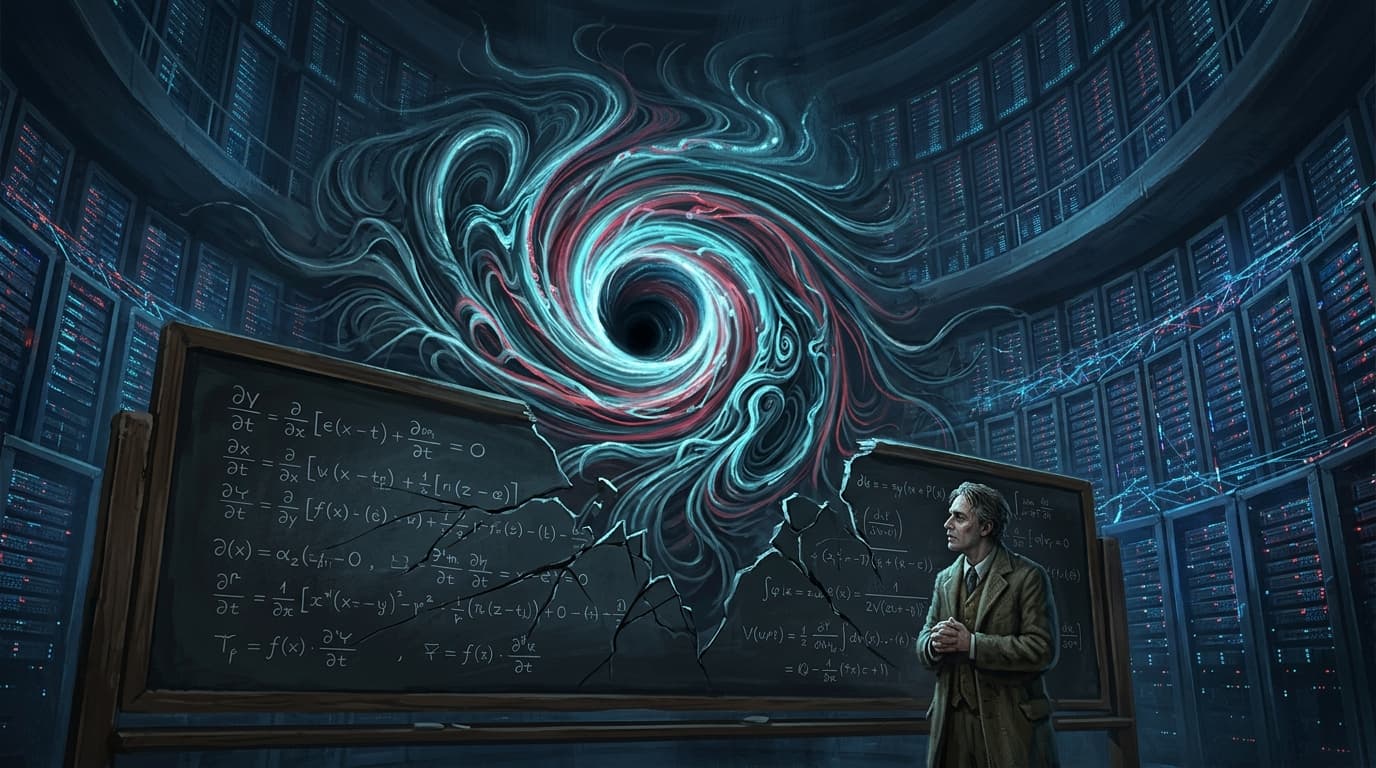
Think of it like someone who has memorized every book on physics but doesn't actually understand the math behind the equations.
The Solution: The Neuro-Symbolic Marriage
Neuro-Symbolic AI aims to combine the two schools of thought:
- Neural Networks: The powerhouse that handles perception, intuition, and unstructured data (the "soft" stuff).
- Symbolic AI: The old-school logic engines that operate on clear rules, facts, and formal logic (the "hard" stuff).
By marrying these, we aren't just getting a better statistical model; we’re getting a model with a "logical backbone."
Why I’m So Invested
I write because I believe in the intersection of technical precision and human creativity. I think the future of AI isn't just about making models bigger; it’s about making them smarter in a way that respects the architecture of thought.
Neuro-Symbolic AI represents a more "honest" form of intelligence. It acknowledges that human thinking isn't just a giant sea of statistics—it’s a balance of intuitive leaps and structured analysis. When we finally get this balance right, we won't just have AI that can summarize a report. We’ll have AI that can verify it, argue for it, and build upon it with the rigor of a mathematician.
The future of intelligence isn't just about mimicry; it's about the synthesis of logic and creativity. And that, to me, is the true beginning of the AI age.