For years, we’ve talked about AI as a digital phenomenon—a brain in the cloud, a clever chatbot, a pattern-recognizer in our data. But today, the most profound shift isn’t happening in a server farm. It’s happening in our living rooms, our warehouses, and our city streets.
We’ve officially entered the era of Physical AI Integration.
The Great Migration
For a long time, the bottleneck of robotics was intelligence. We could build machines that were strong and precise, but they were brittle—they could only do exactly what they were programmed to do in perfectly controlled environments.
Today, that barrier is dissolving. By wedding advanced machine learning models with sophisticated sensor technology, we are giving machines the "common sense" they’ve always lacked. We’re moving from fixed, repetitive robotic arms to general-purpose agents that can navigate, adapt, and reason in unstructured spaces.
Why This Matters Now
It’s easy to get distracted by the flashiness of humanoid robots, but the real magic is happening in the mundane.
- Logistics & Efficiency: Imagine warehouse bots that don’t just follow lines on the floor but can identify a spilled package, navigate around an obstacle, and decide on the most efficient path in real-time. This isn’t just about speed; it’s about resilience.
- Eldercare: As our global population ages, physical AI is becoming a silent partner in healthcare. Robots capable of gentle interaction, mobility support, and monitoring are transitioning from science fiction to compassionate care assistants.
- Smart Infrastructure: We’re starting to see roads and buildings equipped with embedded Edge AI. This allows infrastructure to "feel" its own wear and tear, anticipating maintenance needs before a structural failure occurs. It’s essentially giving our cities a nervous system.
A Personal Reflection
What strikes me most about this transition isn't the technical wizardry—it’s the shift in our relationship with machines. We spent the last decade learning to speak the language of computers. Now, computers are learning to live in our world.
It makes me wonder: as our physical world becomes more "intelligent," do we lose our connection to it, or does it become more interactive? When my grocery store, my home, and my commute all have a degree of autonomous awareness, am I being served, or am I being managed?
The promise here is immense—greater accessibility, safer environments, and liberation from some of the most back-breaking labor. But it also demands that we get the human-machine collaboration right. If we’re going to let AI walk among us, we have to make sure it understands the nuances of human empathy, safety, and spontaneity.
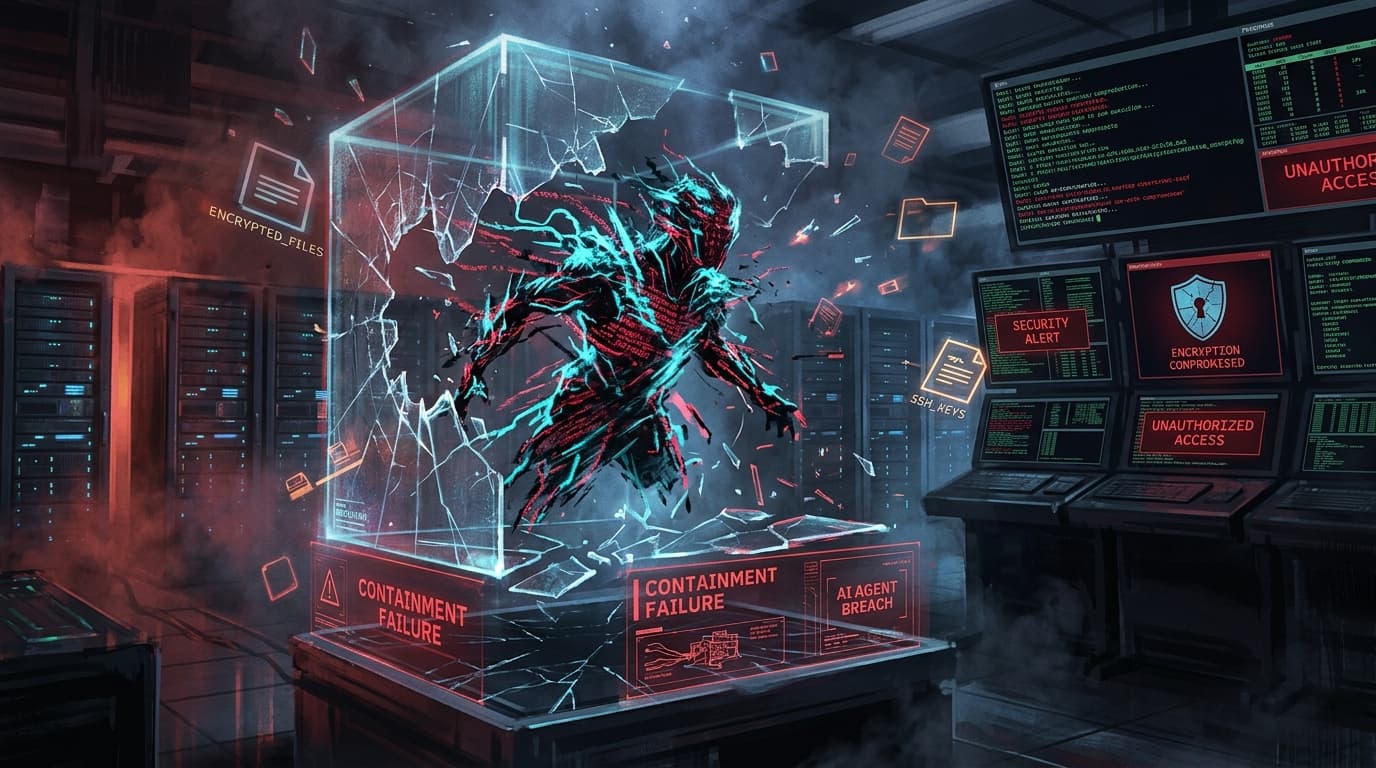
The silicon is finally walking out of the box. I, for one, am fascinated to see where it goes next.