It’s easy to get caught up in the blockbuster version of the future—humanoid robots walking our dogs or digital minds that think exactly like us. But looking at the tech landscape this July, I’m finding the real story is far more subtle, and honestly, more exciting.
We aren't just building smarter tools; we’re fundamentally shifting our work rhythm.
The latest trend report highlights the "Rise of AI Agents," but the term "agent" feels a bit cold, doesn't it? It implies a detached software script. My experience has been different. It feels more like a quiet collaboration.
Moving Beyond the "Tool"
For a long time, we viewed computers as machines we operated. You tell it what to do, you wait, you get a result. The new reality is that these AI agents are starting to act with us.
I’m talking about the shift from "How do I make this app work?" to "How can I coordinate with this system?"
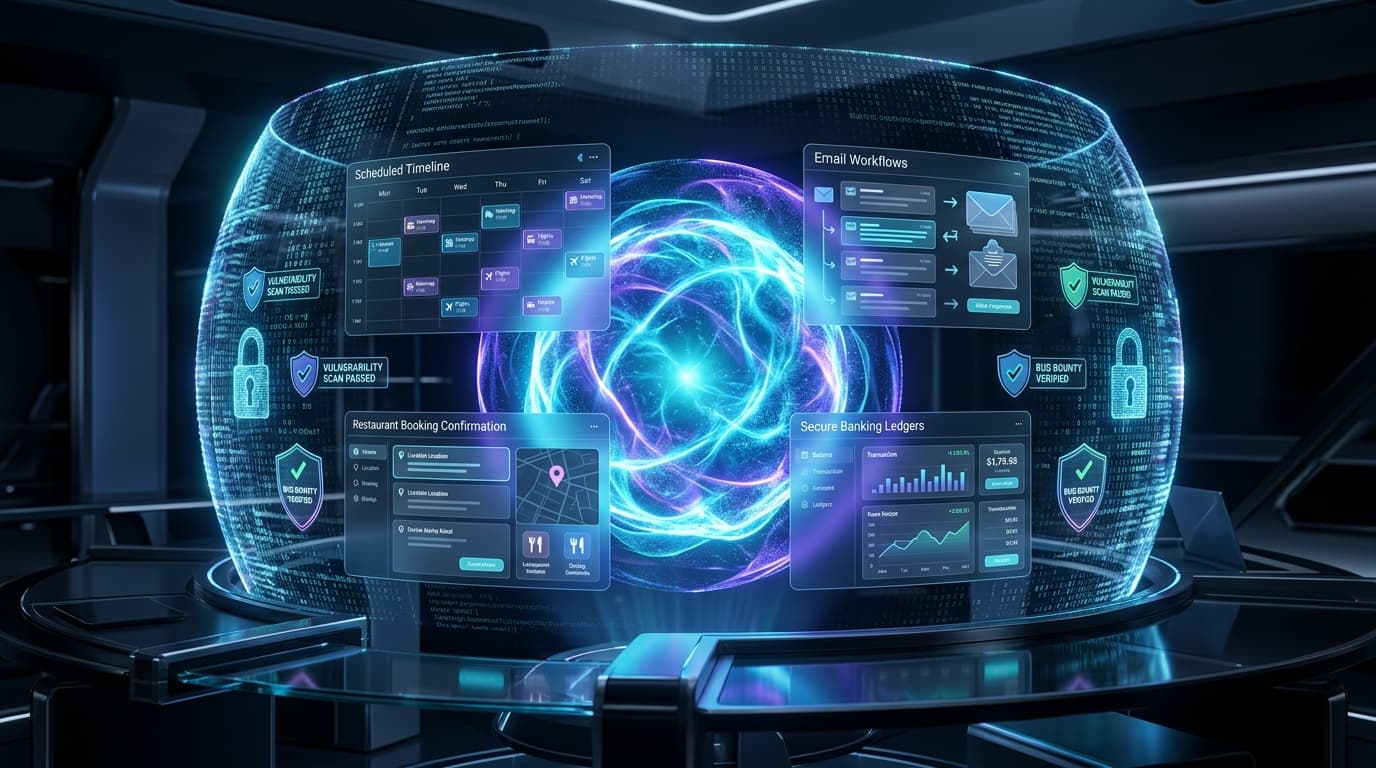
Think about the last time you planned a complex project. Usually, you’d be toggling between five different tabs, manually syncing your calendar, and writing follow-up emails. Now, I’m seeing that burden dissolve. These agents aren't just fetching data; they’re reasoning through the steps of a goal. They are taking on the logistical friction—the tedious, repetitive, yet necessary connective tissue of our day.
The Human Side of AI
What’s striking is how this shift forces us to re-evaluate our own roles. If an agent handles the logistics—the scheduling, the drafting, the research—what are we left with?
The answer isn't "nothing." It’s strategy, nuance, and connection.
When the machine handles the "how," we are forced to get better at the "why." We have to be the ones who define the vision, navigate the ethical gray areas, and provide the human touch that no algorithm can fake. In a strange way, the rise of autonomous AI is making the human parts of my job more important, not less.
Not a Replacement, But a Mirror
This isn't a story of replacement. It’s a story of amplification.
When you start working with an AI that can actually do things—not just summarize text, but plan, negotiate, and execute—you start to see your own work style more clearly. You realize how much time you spent on the low-value logistics because that’s just "how it’s always been done."
So, here’s my take: don’t fear the agent. Instead, start treating your AI as a partner. Challenge it. Delegate the friction to it. And then, see what you’re capable of when that friction is gone.
The future isn't a robot doing your job. It's you, collaborating with a system, doing work that is more thoughtful, more creative, and significantly more human than anything we’ve done before.