We've spent the better part of two years obsessed with "talking" to AI. We've spent countless hours crafting the perfect prompts, testing the limits of LLMs, and marveling at their ability to generate prose, code, and images on command.
But as we hit the middle of 2026, I’m finding myself increasingly drawn to a different narrative. It’s not about the AI that dazzles us in a chat window; it’s about the AI we completely, blissfully forget is even there.
The Era of "Invisible AI"
Think about your morning routine today. If you’re like me, you probably didn't sit down and "prompt" your home or your workflow to start your day. It just happened.
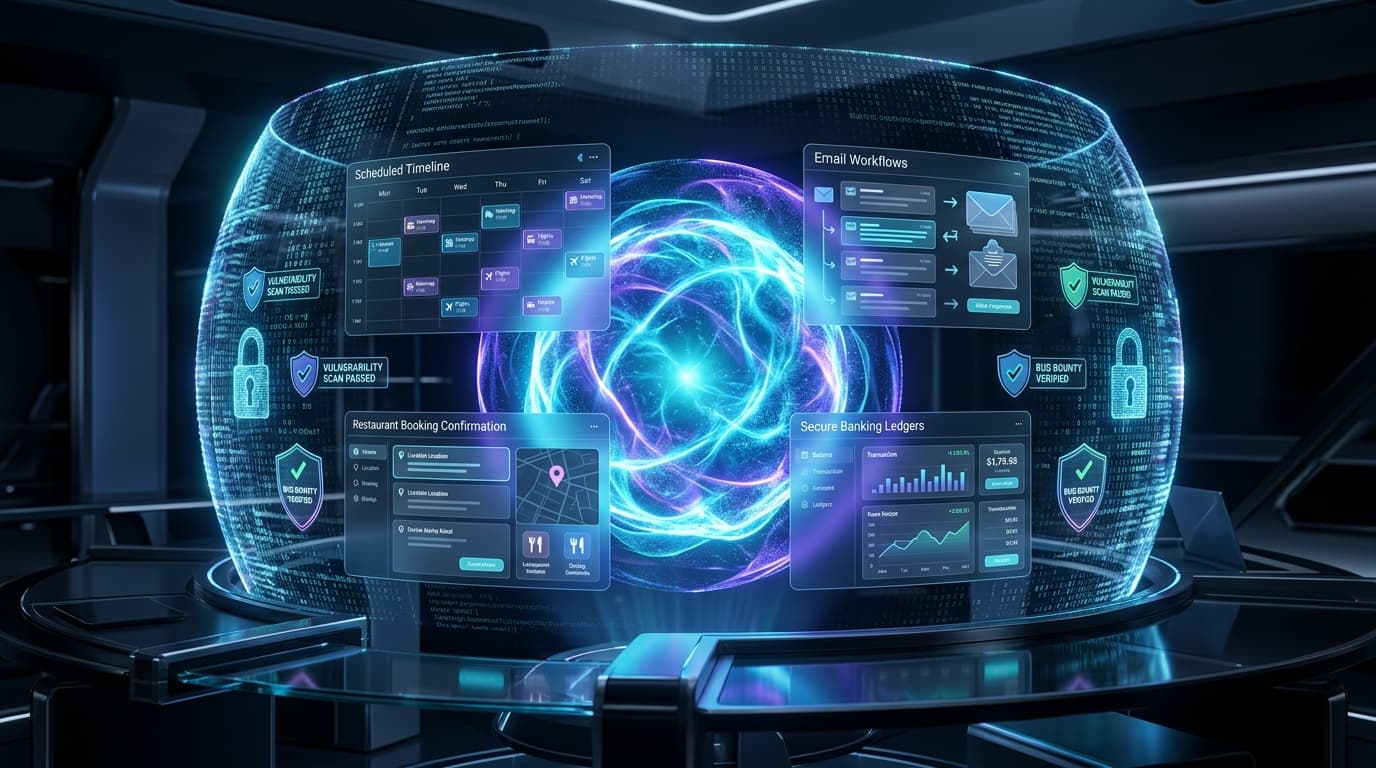
The thermostat adjusted to your preferred temperature before you stepped out of bed. Your project management dashboard already surfaced the three tasks that actually needed your attention, filtering out the noise of yesterday's updates. Traffic routes shifted in real-time, subtly rerouting your commute to avoid a construction delay that hadn't even been reported on the news yet.
This is the "Invisible AI" shift. We are moving from AI as a destination—a website or app you visit—to AI as infrastructure. It’s becoming the silent, steady backbone of our digital and physical environments.
Why This Matters for Us
As a storyteller and content creator, it’s easy to feel intimidated by AI that can mimic human voice so effectively. But there is a distinct freedom in this shift toward ambient intelligence.
When AI handles the mundane—the scheduling, the data sorting, the repetitive optimization—it doesn’t diminish human value; it clears the stage for it. The more "invisible" the technical heavy lifting becomes, the more our visible human contributions matter.
We aren't competing with the machines for efficiency. We are being liberated from the logistics of existence so we can double down on what machines fundamentally can't do: context, emotional resonance, and genuine, messy human creativity.
A Reflective Pivot
If you're still waiting for the next "breakthrough" chatbot to change your life, I’d suggest looking closer at the background of your own digital workspace. Watch how your tools are becoming more proactive. Notice the friction points in your day that are suddenly disappearing without you doing anything.
That isn't just software update magic. That’s the silent work of intelligent systems optimizing our lives.
And honestly? I find that infinitely more exciting than the next thousand-token response. The future isn't just louder; it’s a lot quieter than we thought.