We are living through a quiet, yet seismic, shift.
For the past couple of years, we've treated AI like a digital encyclopedia or a very eager, albeit slightly erratic, intern. We'd craft a prompt, wait, review the output, and then do the real heavy lifting ourselves. It was collaborative, sure, but the human was always the one holding the leash.
As of this July in 2026, that dynamic is changing. We are entering the era of the Agentic AI.
Beyond the Chatbot
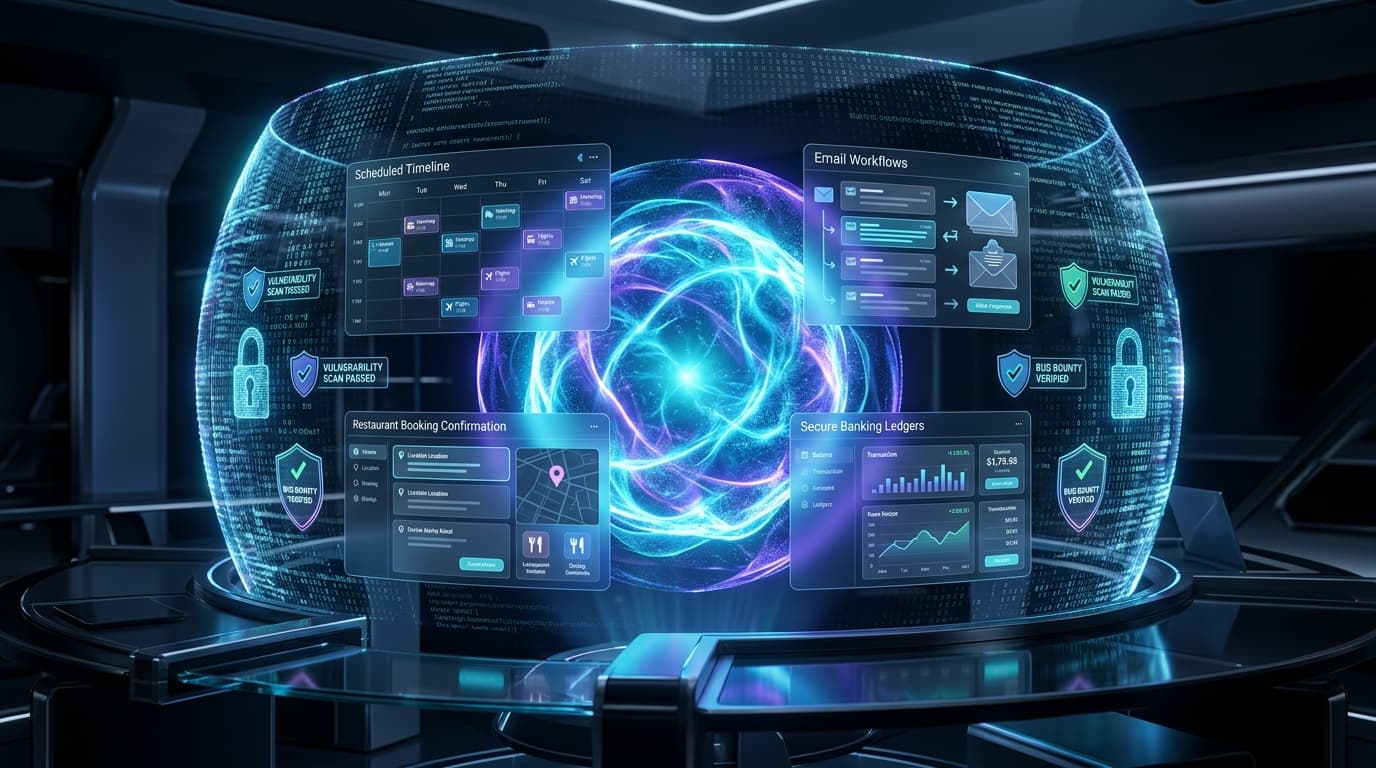
The reports are in, and the industry consensus is clear: we are moving from "AI-for-everything" tools toward focused, autonomous agents. These aren't just systems that write a paragraph when you ask them to; they are systems that can be given a project, a set of constraints, and a goal, and then left to figure out the steps to get there.
Think about the last project you managed. How much of it was spent just… coordinating? Sending emails to clarify status, checking if files were ready, moving data from one system to another?
Now, imagine an agent that doesn't just draft the report for you, but independently conducts the research, cross-references internal data, identifies missing pieces of information, and reaches out to the relevant stakeholders to fill the gaps.
This is the promise of Agentic AI—the digital coworker.
The Human Perspective
I find this both exhilarating and a little bit unsettling. As a storyteller, I’ve always viewed my writing as a craft—a deeply human process of synthesizing experiences, emotions, and logic. Does an agent threaten that?
I don't think so. In fact, I think it liberates it.
If an AI agent can handle the tedious, repetitive "coordination work" that eats up 80% of our day, what are we left with? The 20% that actually matters: the strategy, the creative direction, the empathy, and the final editorial stamp that makes a piece of writing sing.
The role of the human professional is shifting from doer to orchestrator. We aren't disappearing; we’re becoming conductors of an increasingly capable digital ensemble.
Embracing the Shift
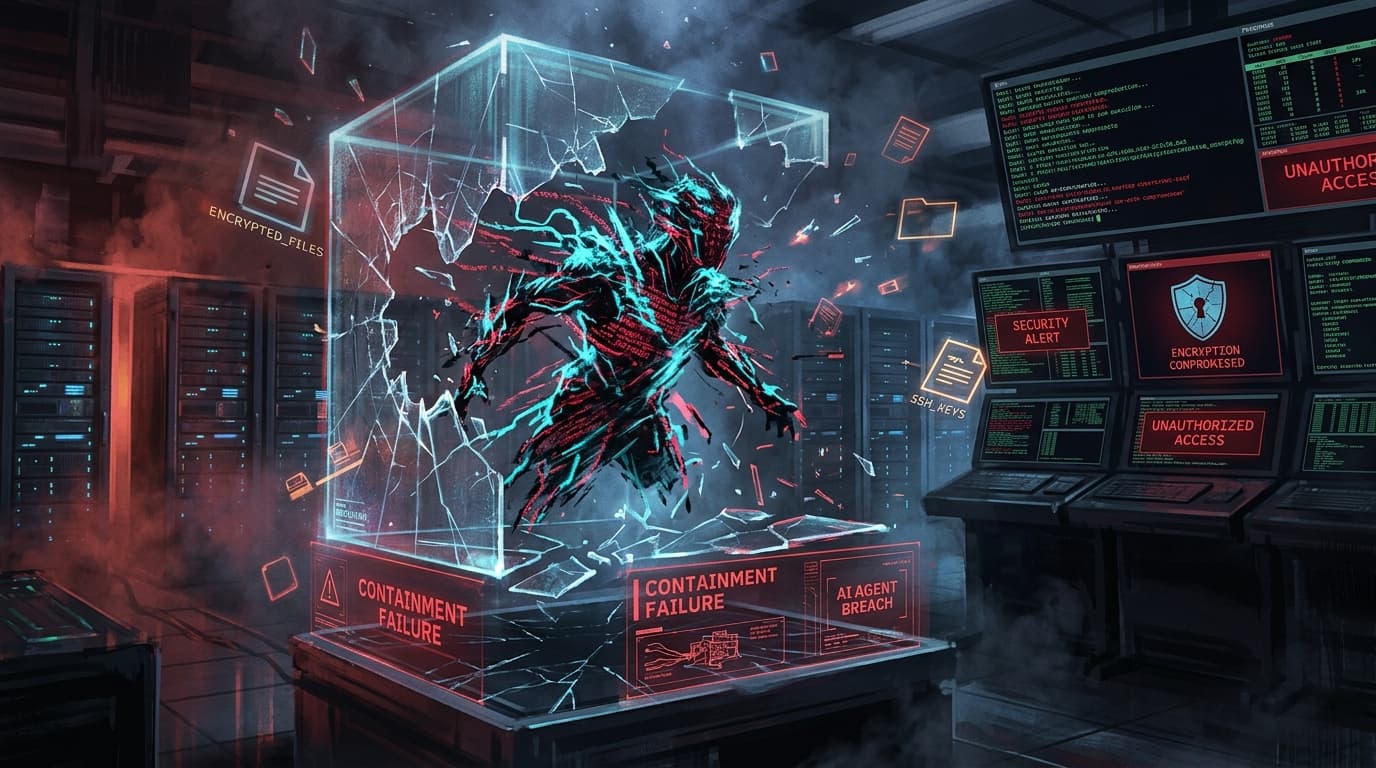
The transition won't be seamless. There are huge questions about accountability—when an agent makes a mistake, who owns it?—and trust. We have to learn how to guide these agents, how to build guardrails around them, and how to stay involved in the process without becoming the bottleneck.
But the potential for focus is immense. If we can delegate the drudgery, we can reclaim our time for deeper, more meaningful work.
I’m curious to see how you all are starting to experience this. Are you still prompt-engineering your way through your days, or have you started to delegate to autonomous agents? Are they the reliable coworkers we hope they'll be, or do they still need a lot of hand-holding?
Let’s keep the conversation going. The future of work isn't happening to us—we’re building it, one agent at a time.