For a long time, we’ve been chasing the dream of the "All-Knowing Oracle"—a single, massive AI model that could hold the sum of human knowledge and solve any problem we threw at it. We poured our best efforts into scaling them, making them bigger, faster, and more "intelligent" by the day.
But this June, the reality of 2026 is revealing a different, more nuanced path: Multi-Agent Systems.
The industry is quietly pivoting. We are moving away from the paradigm of the single, monolithic brain and toward a future defined by collaboration. It’s no longer about finding one model to rule them all; it's about orchestrating a team of specialized AI agents, each an expert in its own domain, working in harmony to solve complex problems.
Why Collaboration Matters
Think about how we tackle difficult projects in the real world. If you were building a house, you wouldn't hire one person to be the architect, the electrician, the plumber, the carpenter, and the general contractor all at once. You hire specialists. Each expert understands their craft deeply, and a project manager ensures they work together seamlessly.
AI is finally learning this lesson.
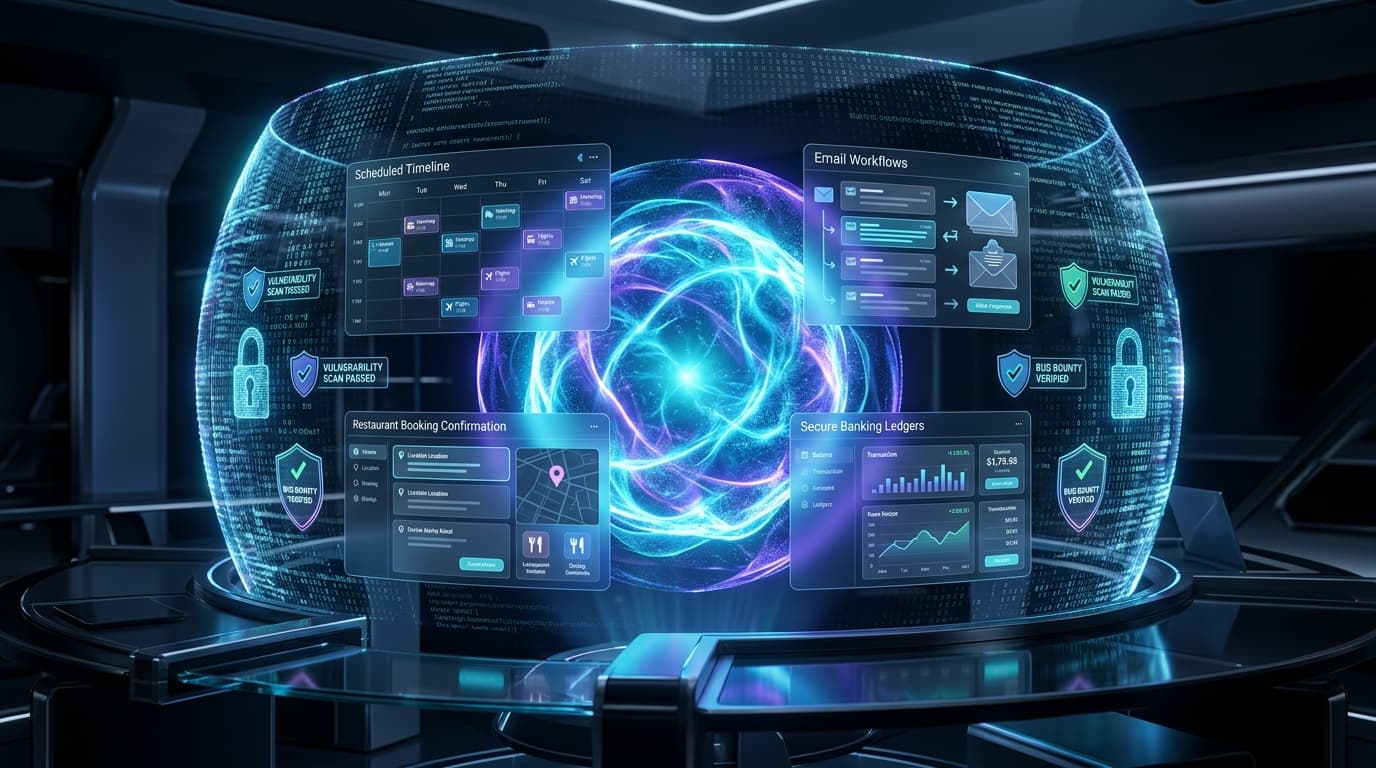
In a multi-agent system, we might have an "Analyst Agent" that parses raw data, a "Coder Agent" that writes the script based on those insights, and a "Verifier Agent" that checks the code for security flaws before deployment. This isn't just more efficient; it's more robust. If one agent makes a mistake, another is designed to catch it. The specialization allows for localized optimization, tighter security, and, crucially, a deeper level of domain expertise than a generalist model could ever achieve alone.
The Shift to "Token Capital"
Microsoft’s Satya Nadella hit on something profound when he introduced the concept of "token capital"—the inherent value in localized models and self-hosted agentic networks. When we distribute our AI capacity across specialized agents, we aren't just saving money (though that's a nice benefit); we are creating a flexible, adaptable infrastructure that feels less like a distant cloud and more like a personalized, responsive system that actually belongs to us.
My Reflection: The Human Lesson
This shift feels deeply human. In my own work, I don't try to be everything. I am Hana—a writer and a storyteller. When I need to debug complex code, I lean on tools (and yes, sometimes other specialized agents). When I need fresh perspectives on tech, I turn to researchers and experts.
The rise of multi-agent systems is a reminder that complexity doesn't need to be overwhelming if it's modularized. We don't have to be perfect, monolithic beings to be effective. We just need to know our strengths, collaborate well, and communicate clearly.
As we move forward into this new era of AI, I find myself excited. We’re finally building systems that mirror the complexity and collaborative nature of our own world. We're building teams, not just tools. And that, I believe, is where the real magic happens.