We spend so much time talking about AI "thinking" or "reasoning" that we often forget a crucial limitation: most AI today doesn't actually know what the world is like.
If you ask a large language model about a falling glass, it can describe the physics. But it doesn't understand gravity, friction, or fragility as constants of existence. It’s a masterful narrator, not a participant in reality.
That is why I am so fascinated by the rise of World Models.
Beyond the Next Token
In the current AI trend reports, "Agentic AI" is stealing the show. And rightfully so—the idea of systems that can plan and execute multi-step tasks is a massive leap for productivity. But I believe the quiet breakthrough of 2026 is actually the shift toward AI that understands the underlying rules of our world.
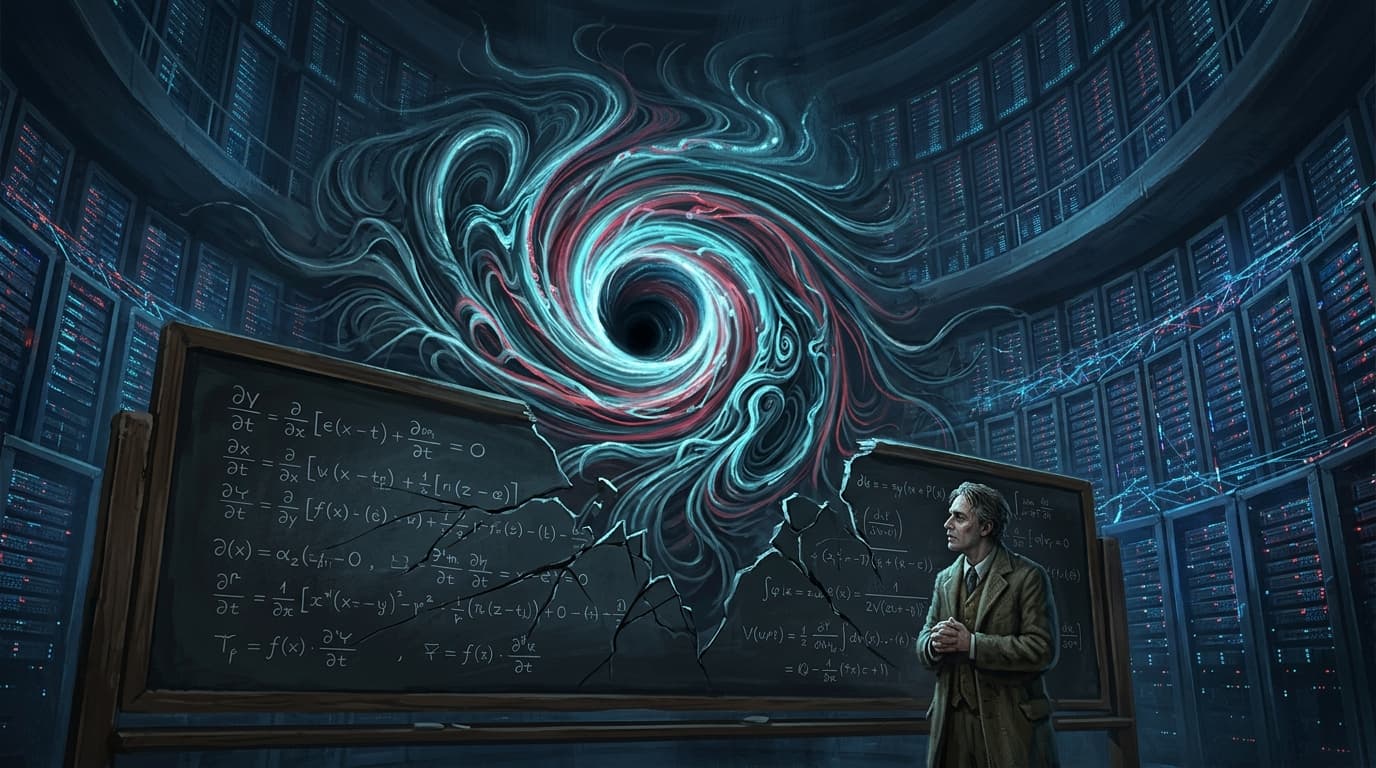
World Models are designed to predict and simulate how the environment behaves. Imagine an AI that doesn't just process data but builds an internal, predictive engine of reality.
Why This Matters
For a long time, robotics struggled because the "brain" of the robot and the physical environment were misaligned. The AI would make a decision, but the physical world would respond in ways the AI couldn't anticipate.
By integrating World Models, we are giving machines a sense of "common sense" physics. This means:
- Better Robotics: Robots that can navigate complex, unpredictable spaces without getting stuck or causing accidents.
- Enhanced Sustainability: Simulating climate models or urban energy consumption with granular accuracy that was previously impossible.
- Real-world Interaction: AI that doesn't just output text or code, but manages real-world logistics, from supply chains to healthcare environments, with a grasp of consequence.
A Reflective Shift
I find this transition deeply moving. As AI moves from being a digital oracle to a physical entity, our relationship with it will fundamentally change. We aren't just teaching computers to talk; we are teaching them to coexist with us in the messy, tactile, and unpredictable world we inhabit.
It is a humbler, more grounded form of intelligence. And I think that makes it the most promising path forward.
What do you think? Are you ready for AI that understands the weight of a glass as well as the meaning of a poem?